Strongers Awards 2025
Honouring the research our community helps make possible
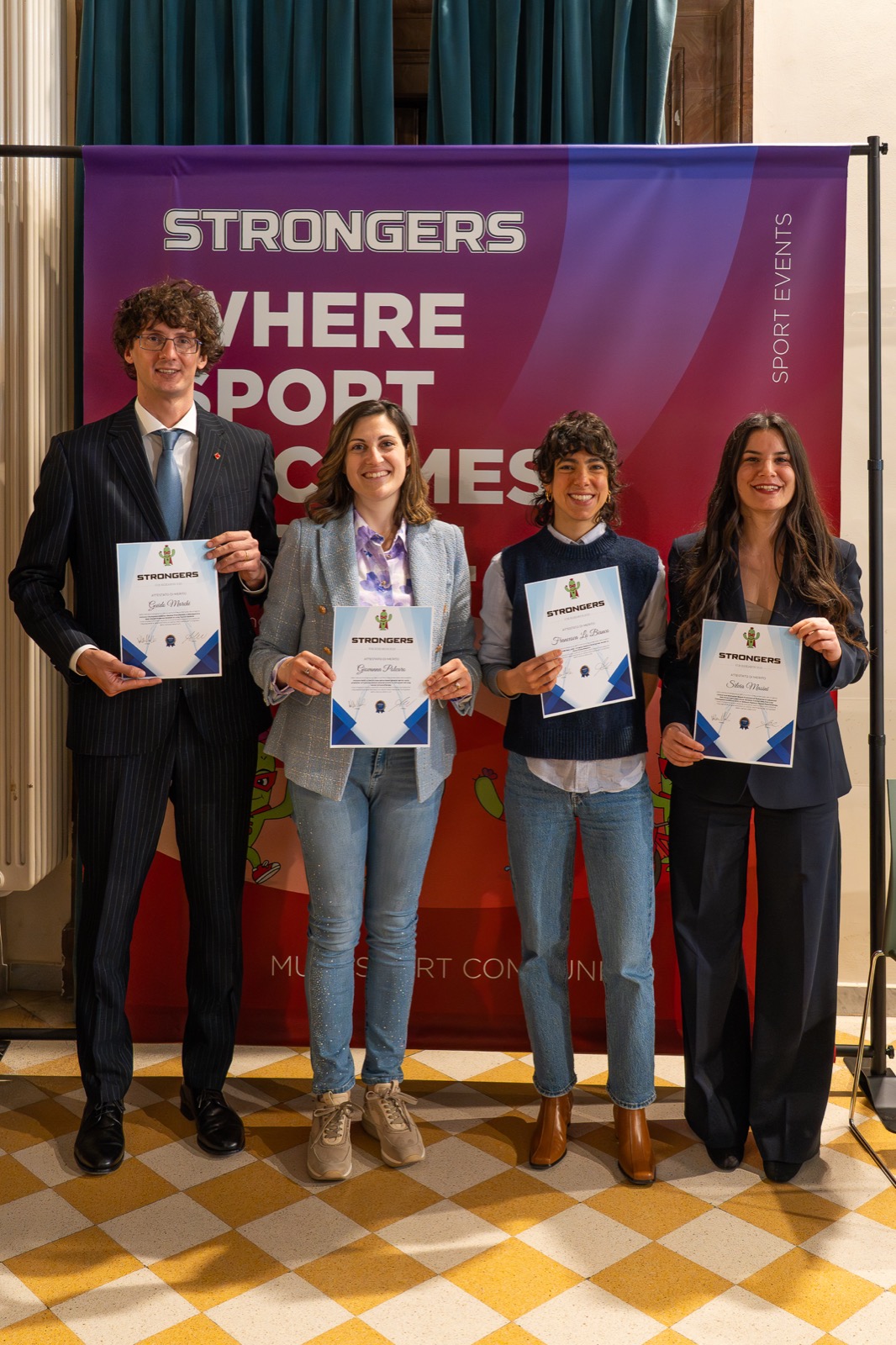
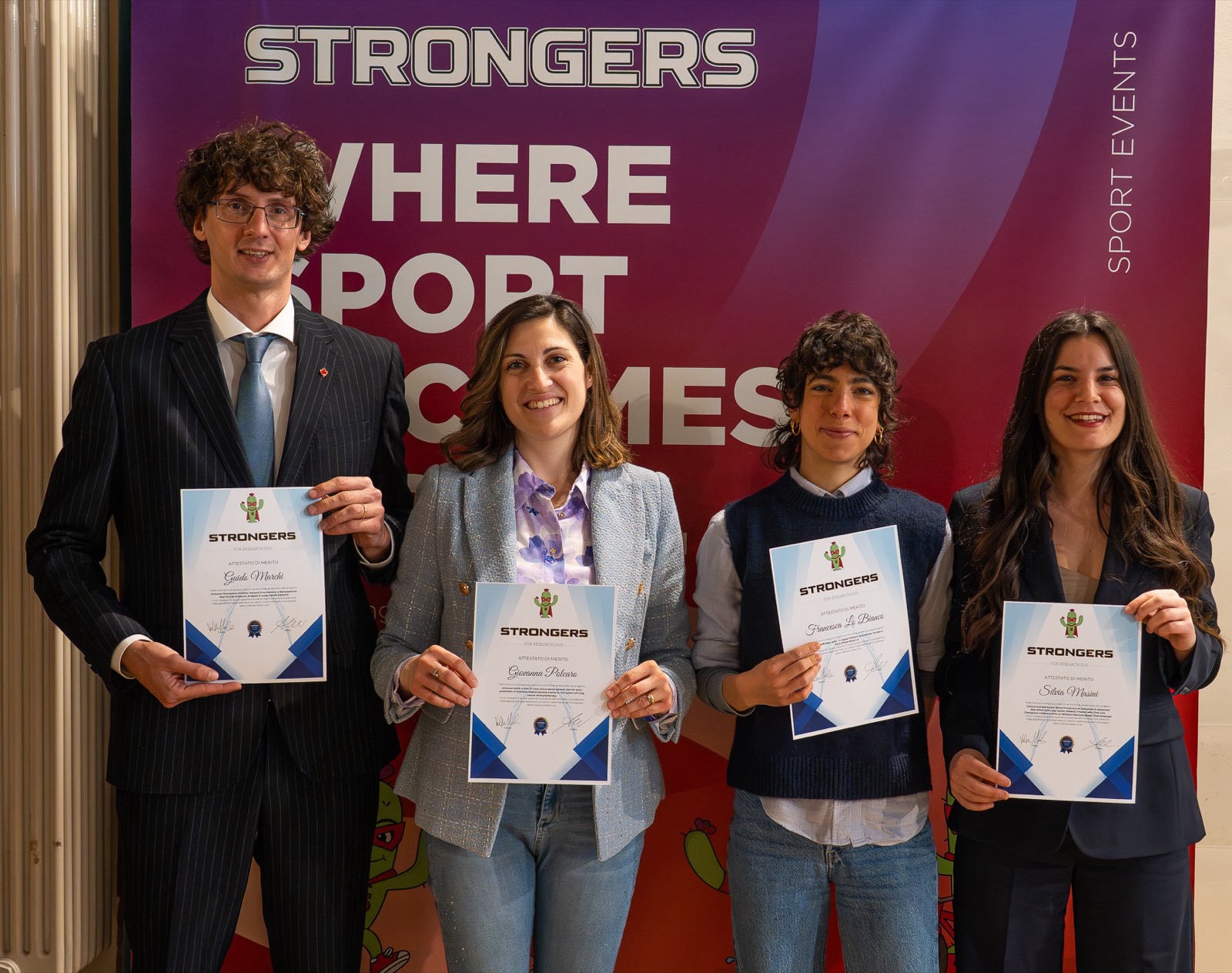
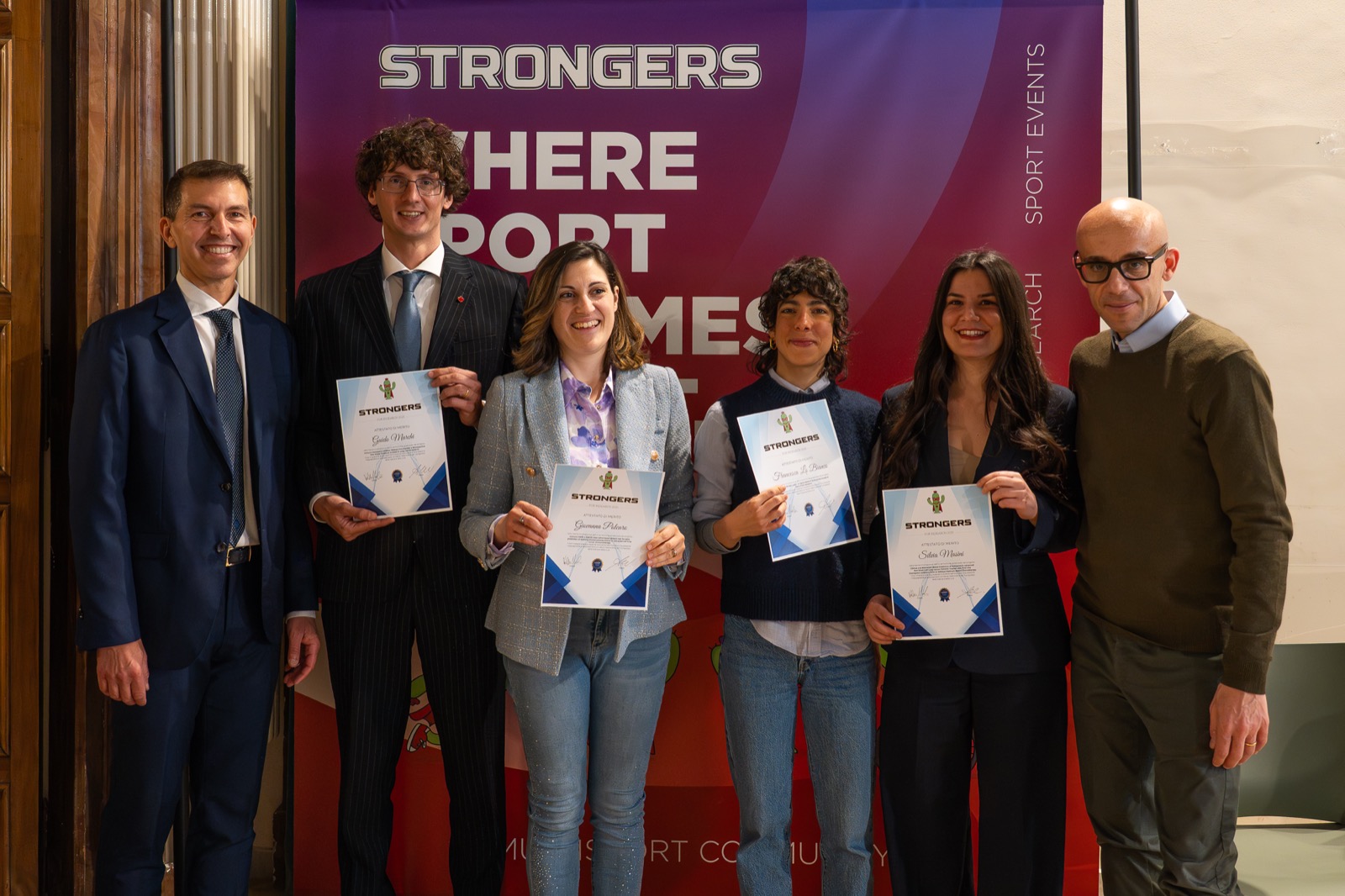
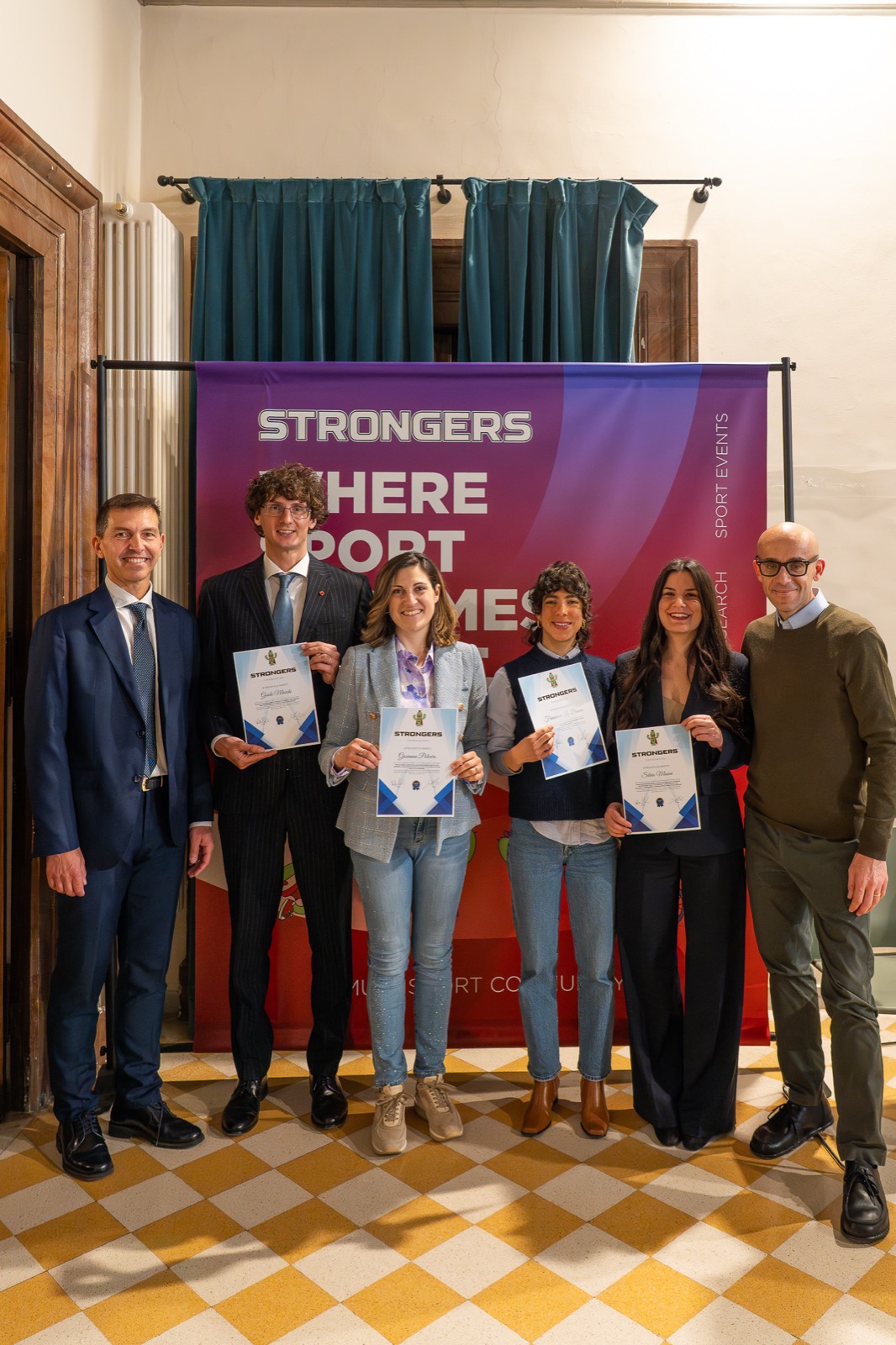
The Strongers Awards 2025 celebrate four early‑career researchers, winners of the mini‑grant call in lung oncology. An award born from the energy of the Strongers community and from our fundraising-through-sport model.
4 researchers
Selected through the Strongers Awards 2025 call for the scientific value of their projects.
€3,000 each
A concrete contribution to support a key phase in their research journey.
Lung oncology
Mini‑grants designed to support research and professional growth in lung oncology.
Public recognition for scientific excellence
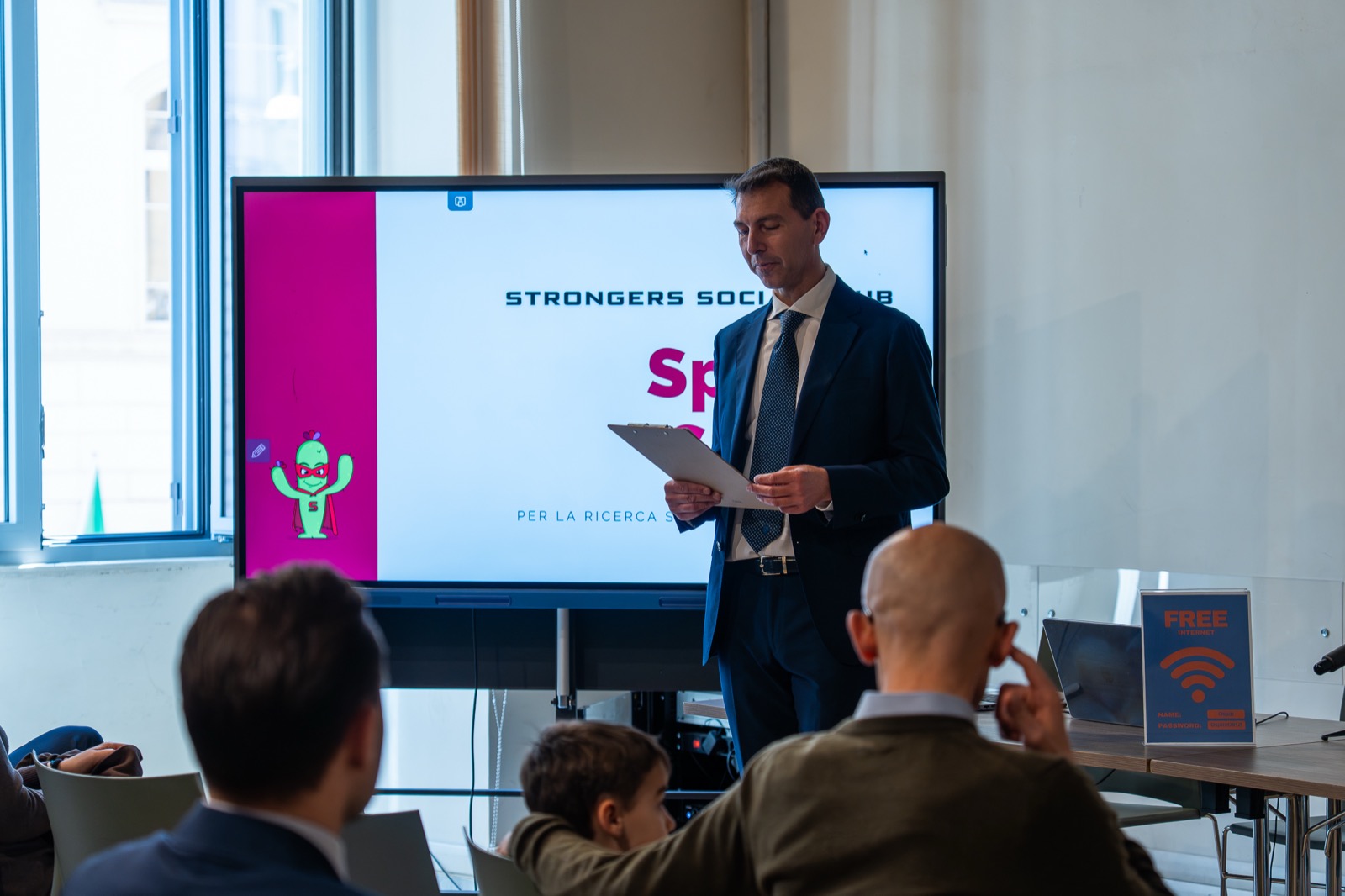
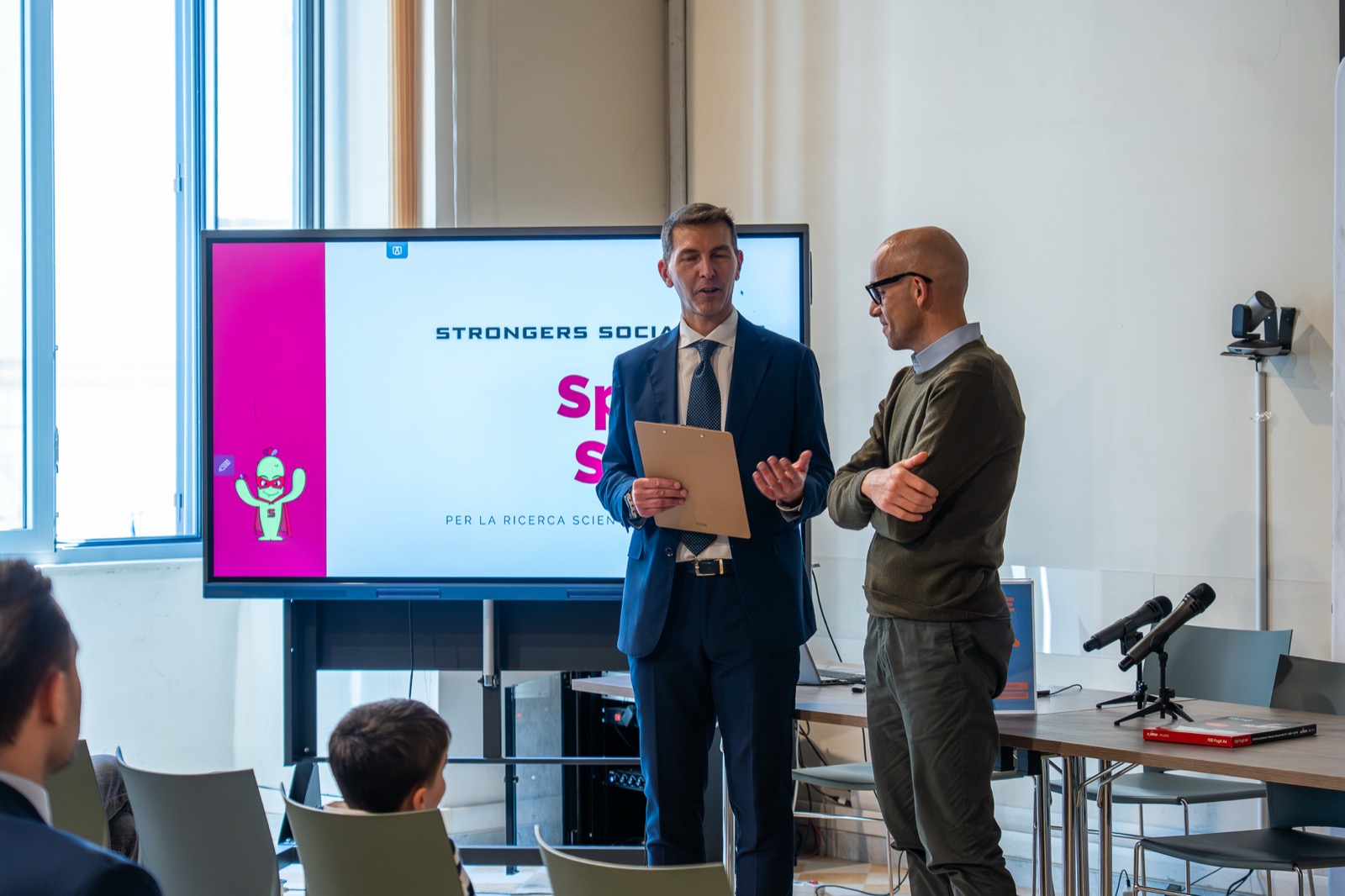
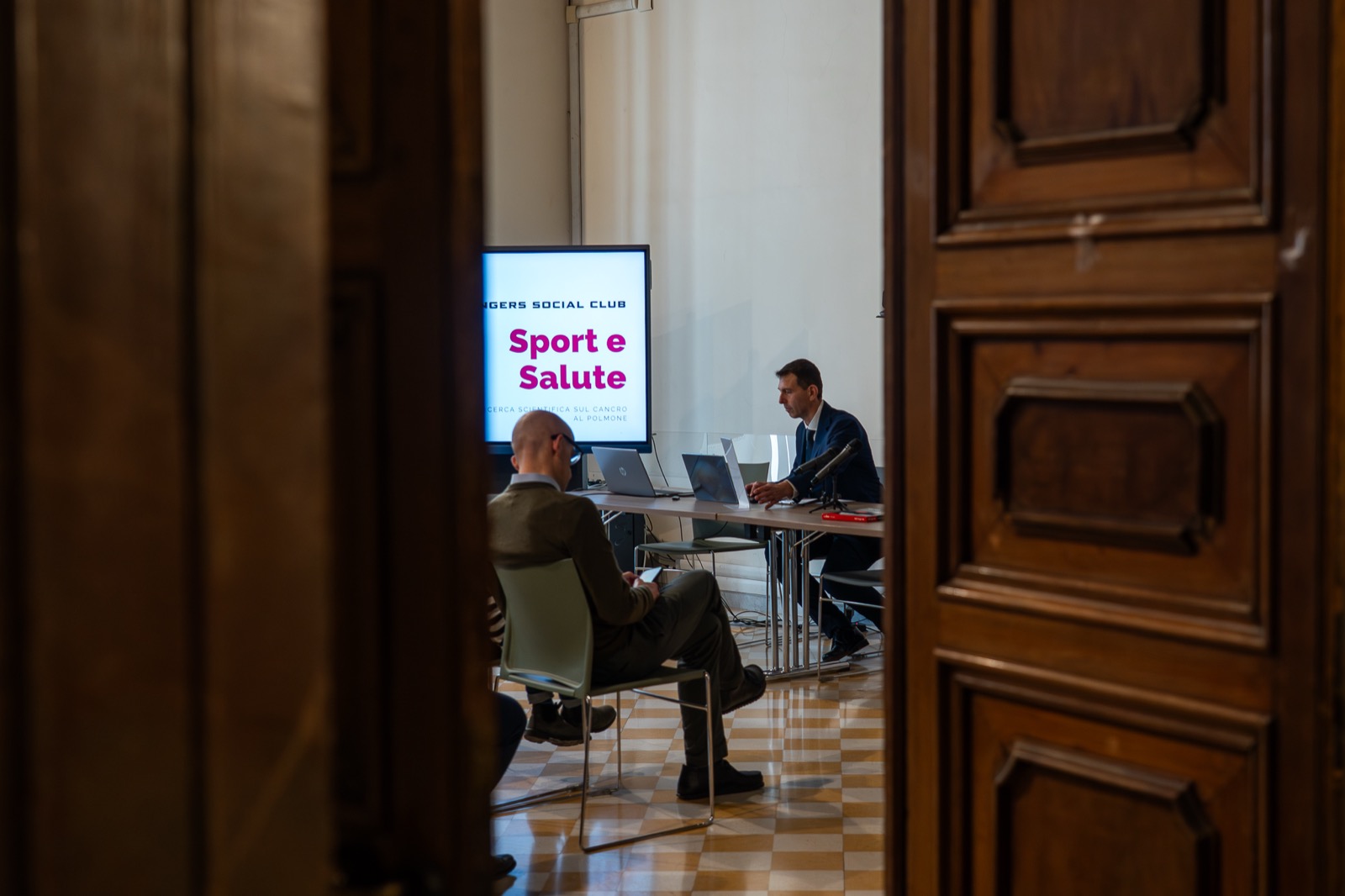
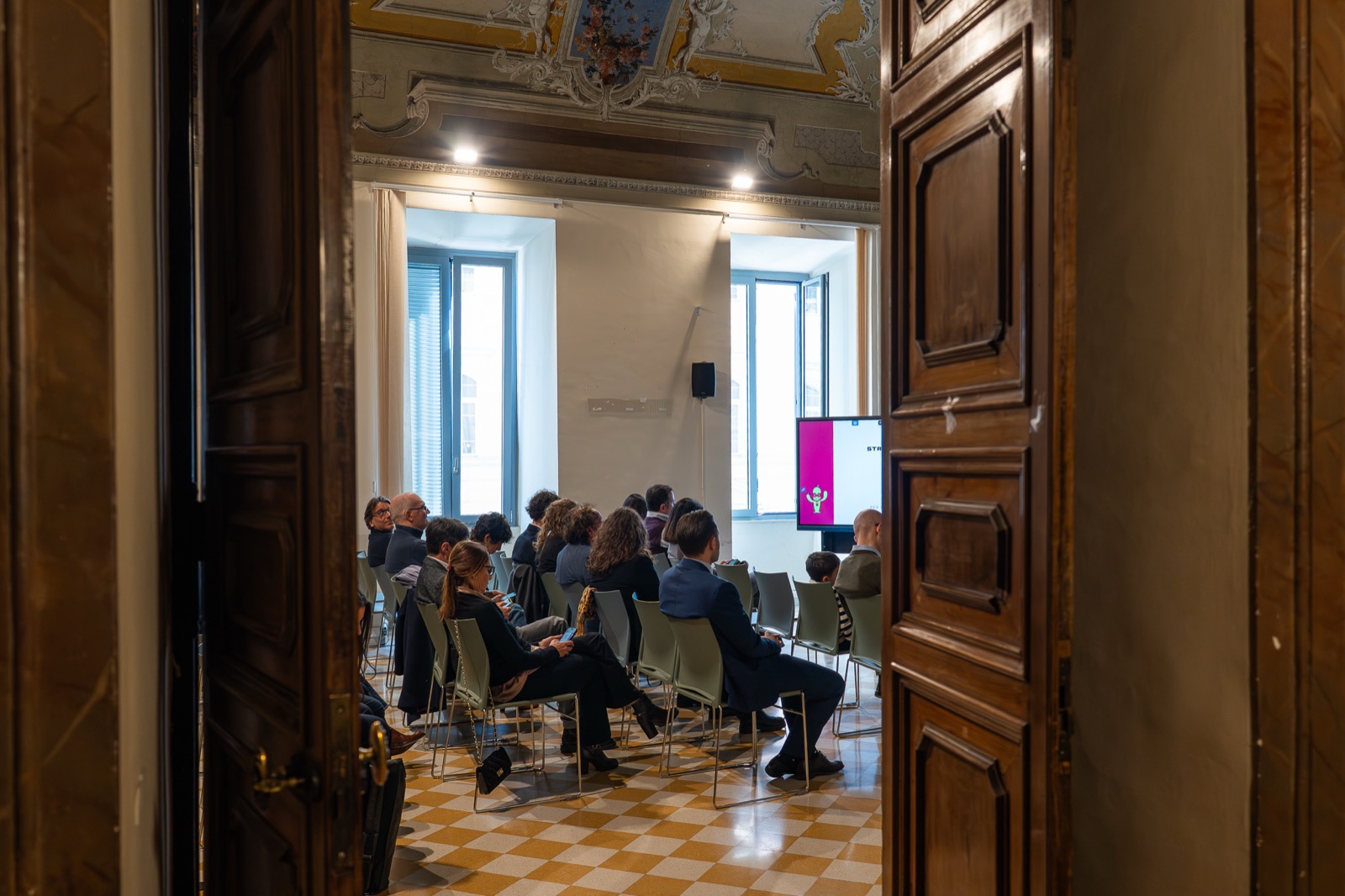
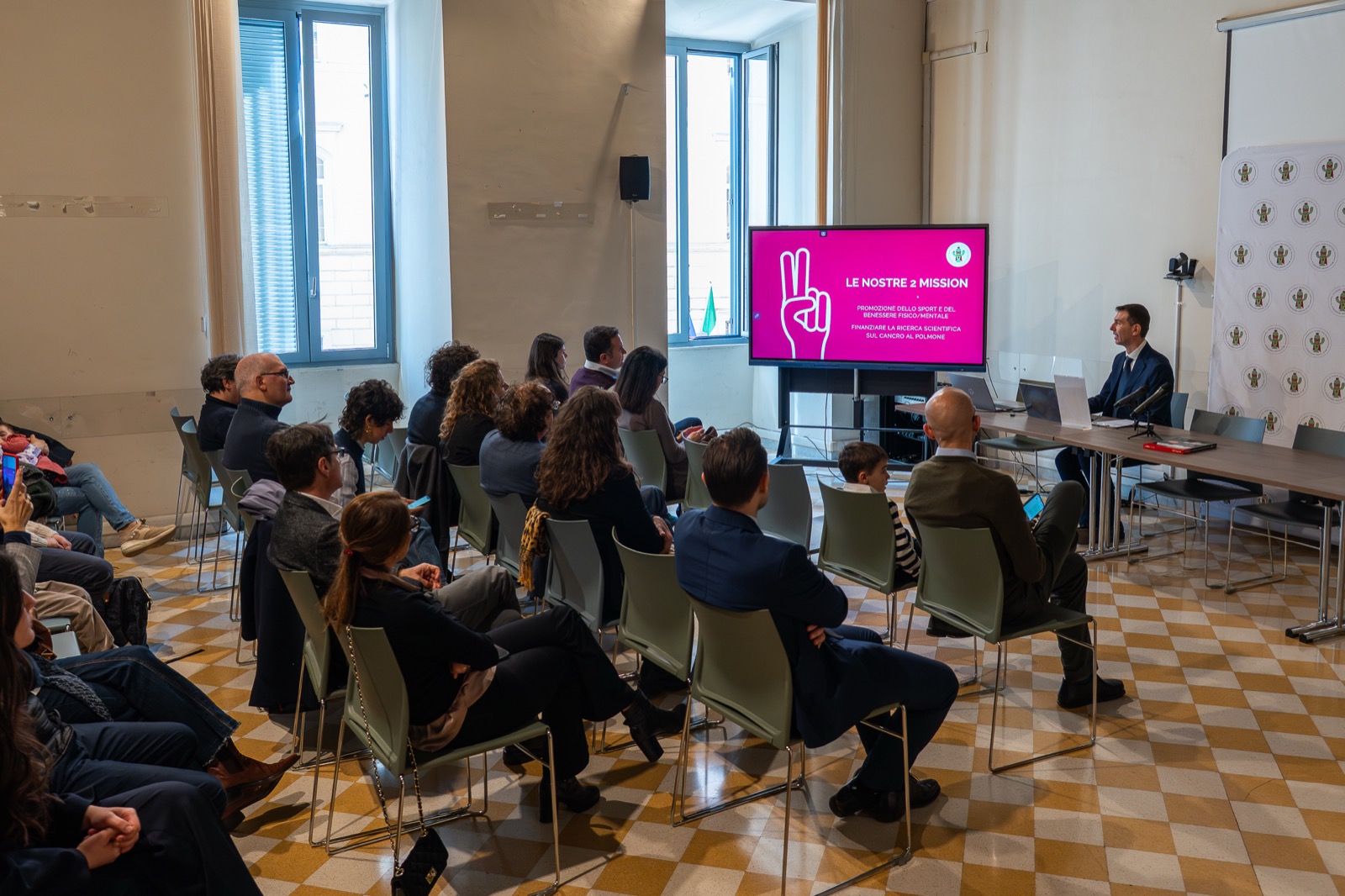
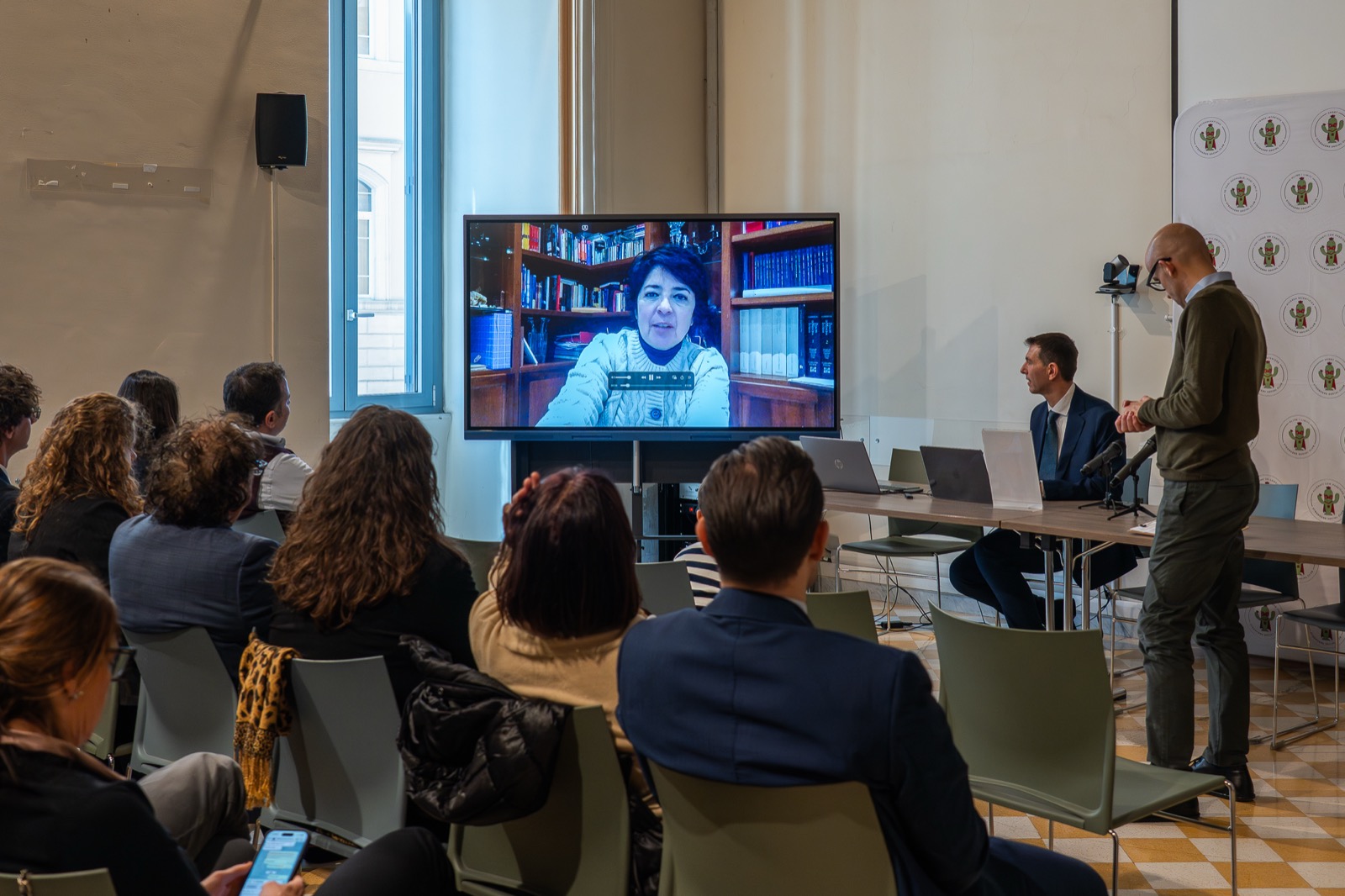
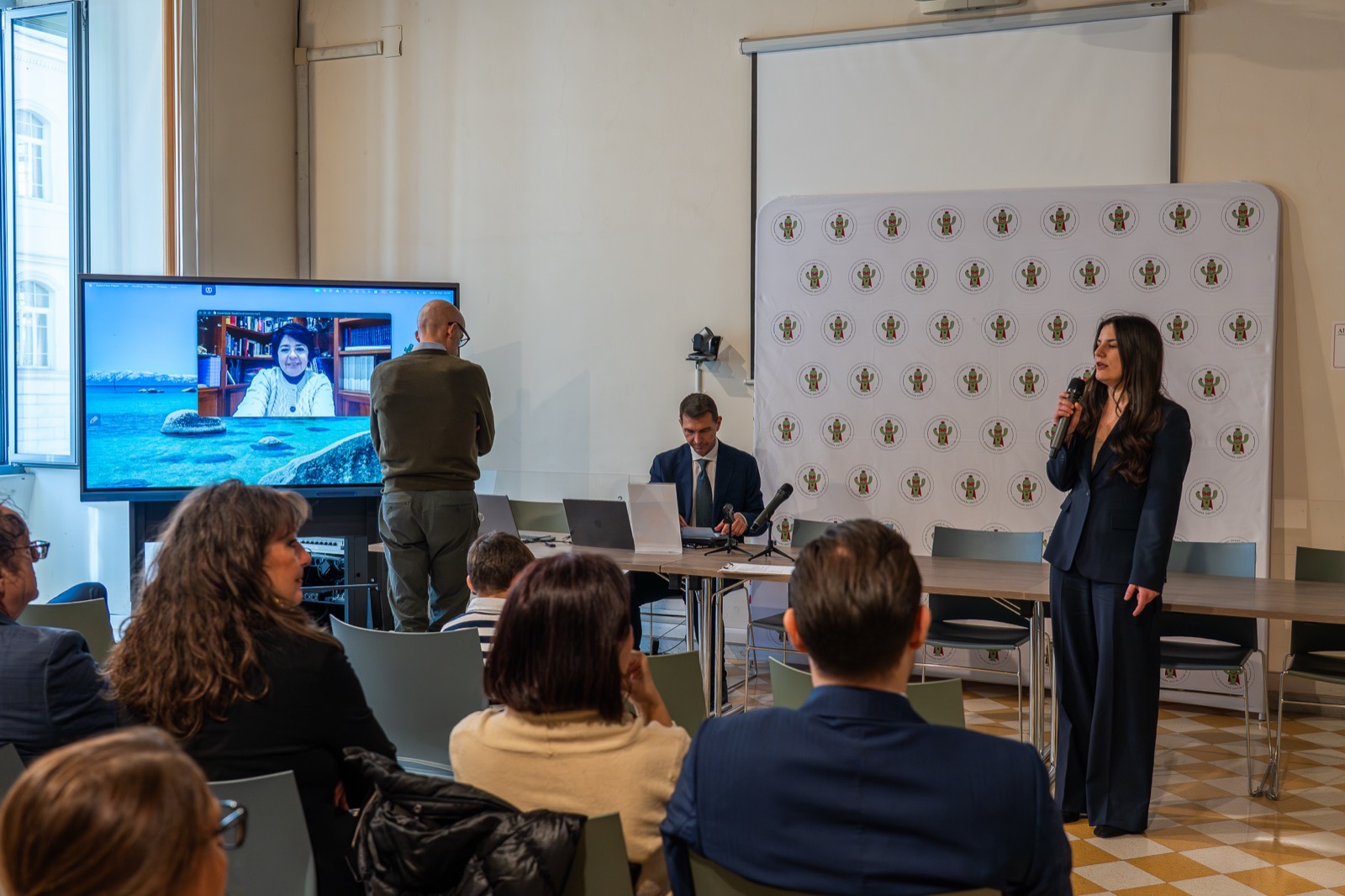
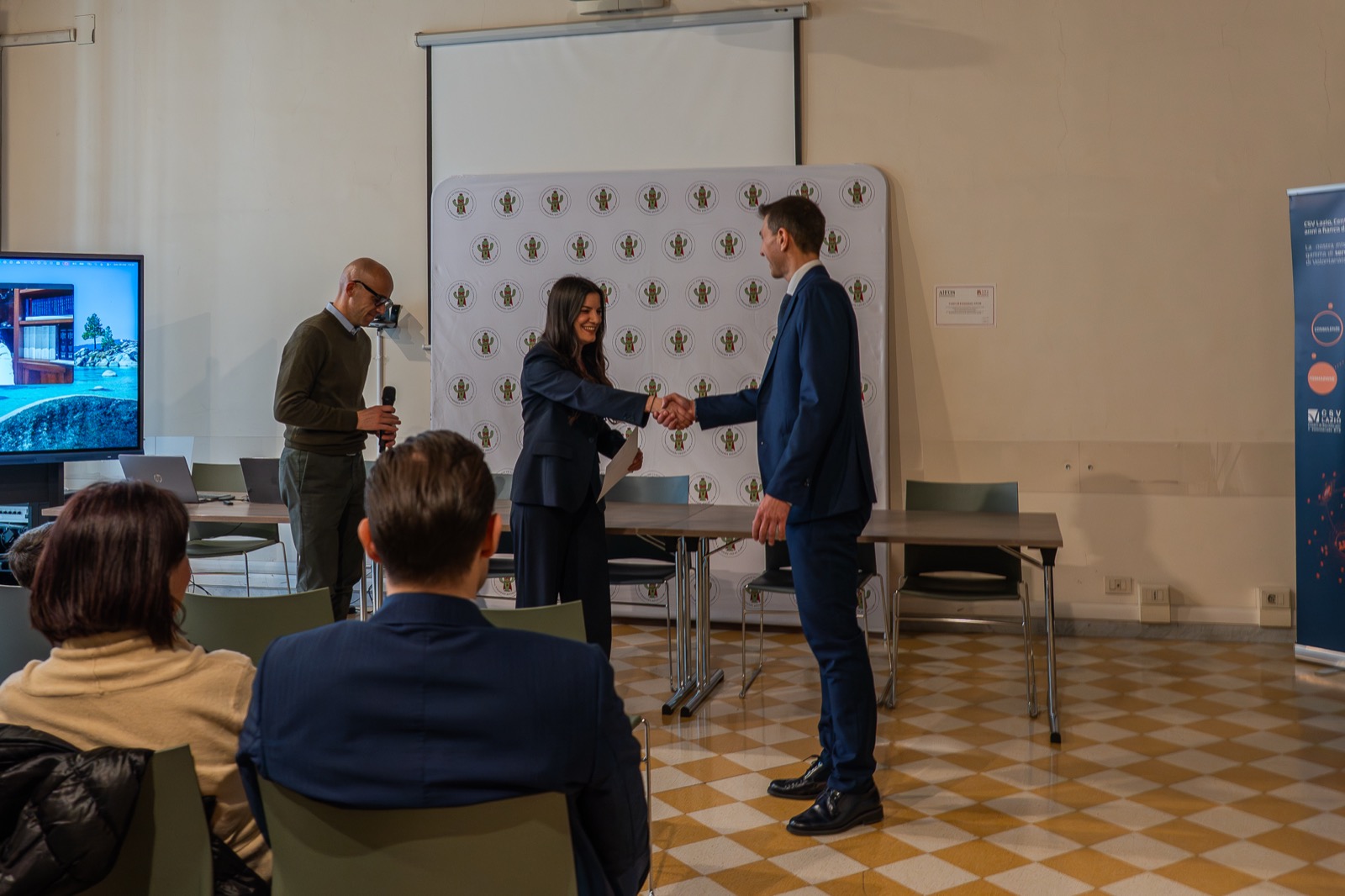
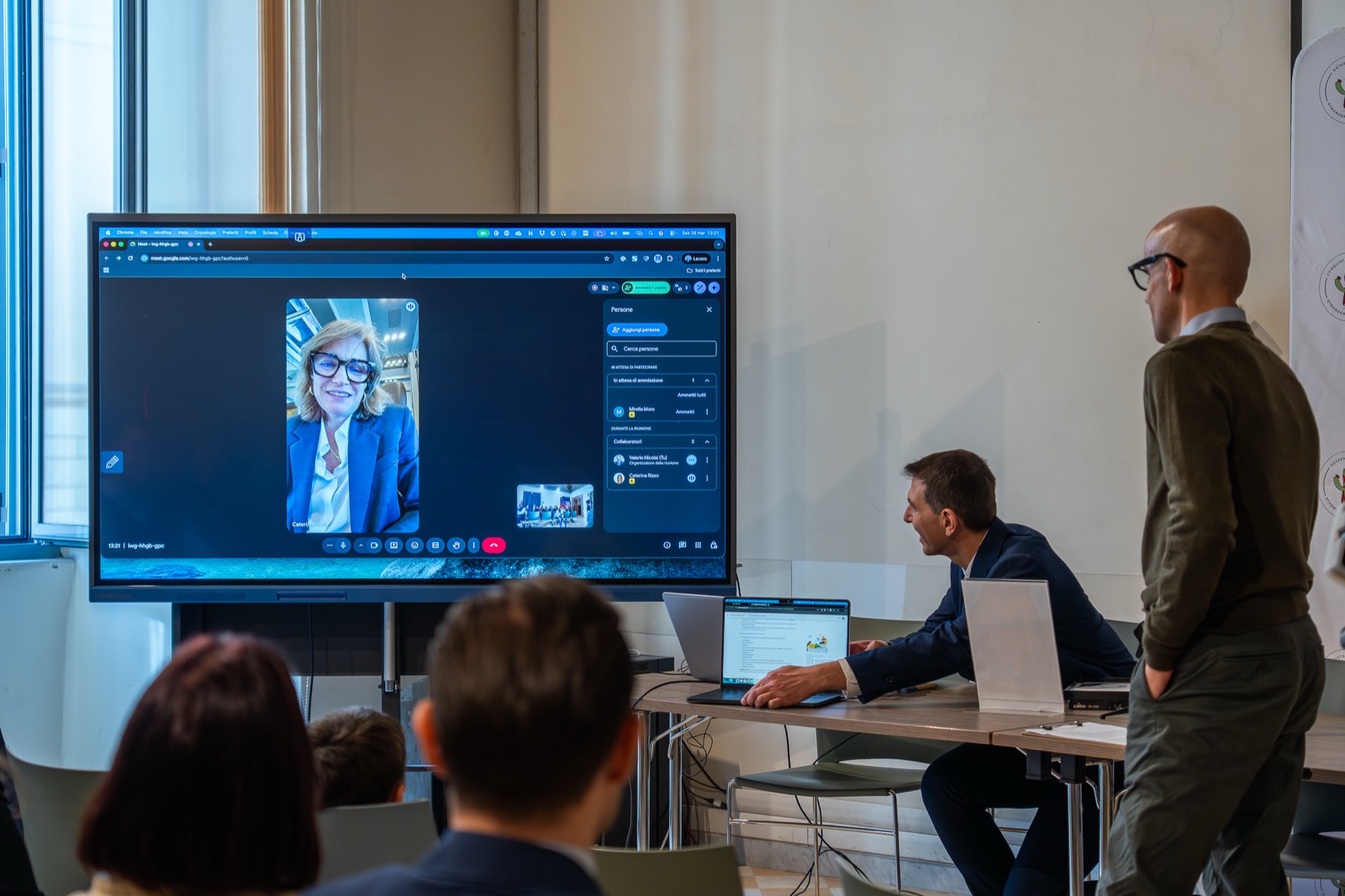
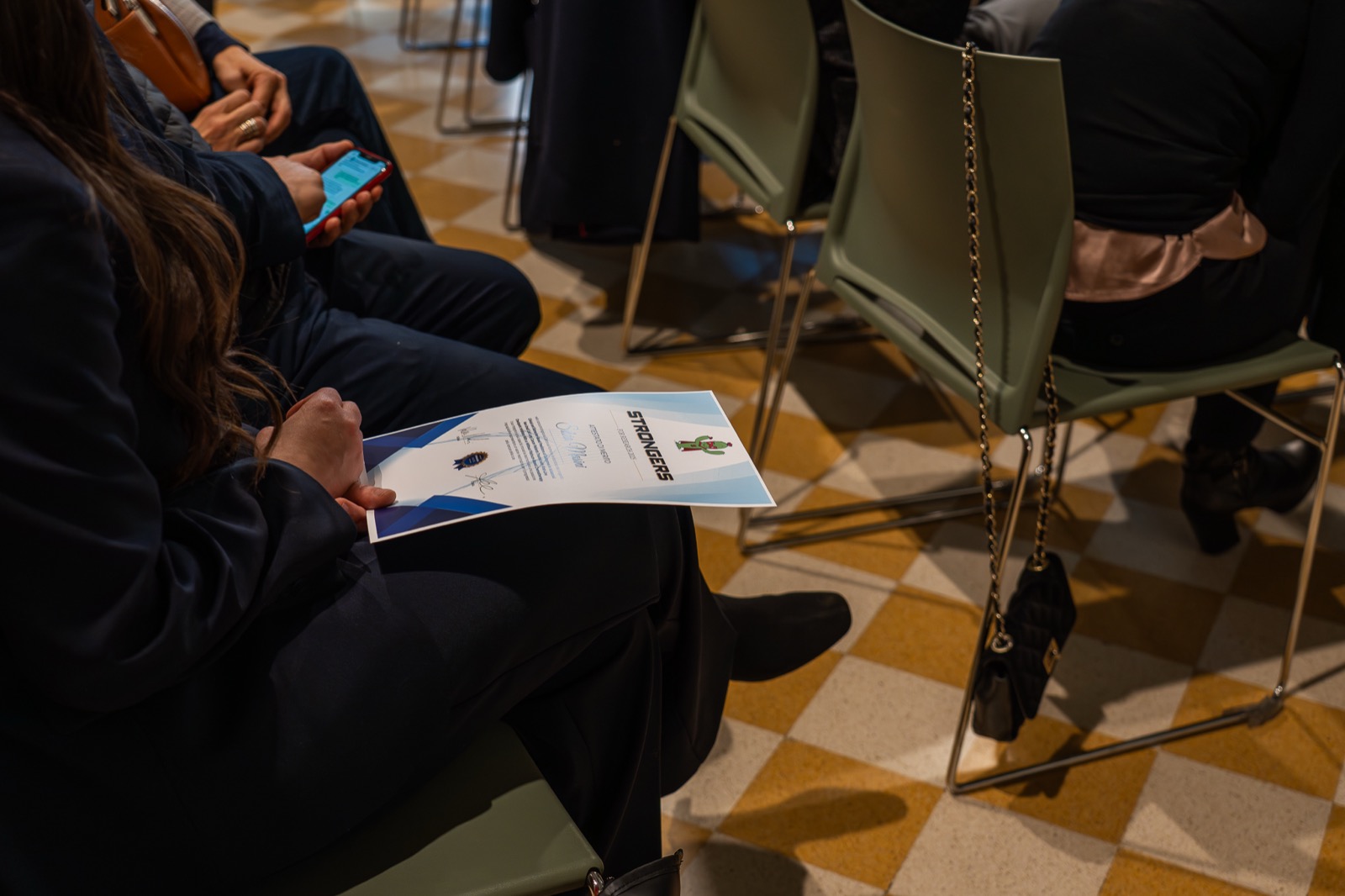
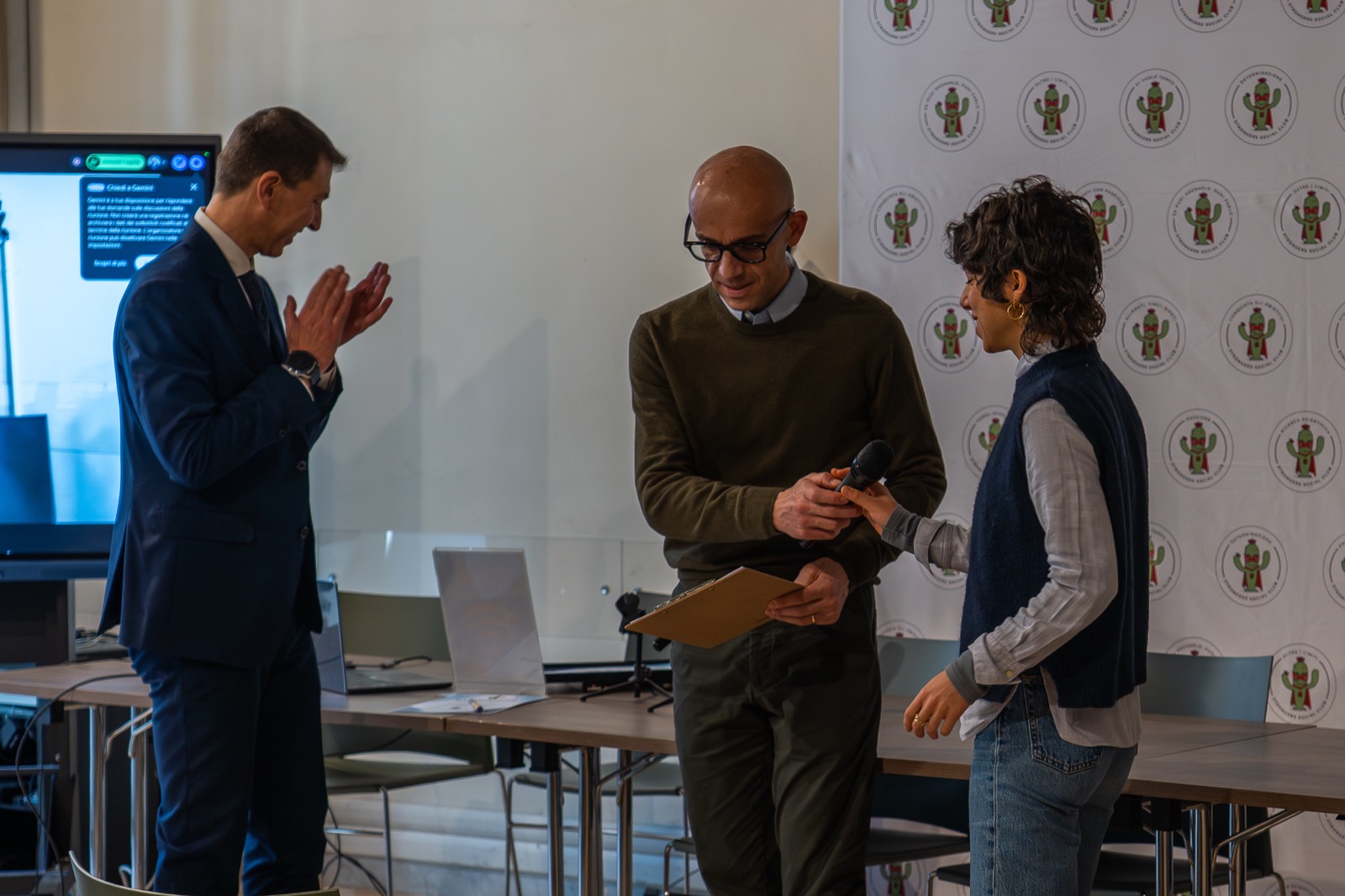
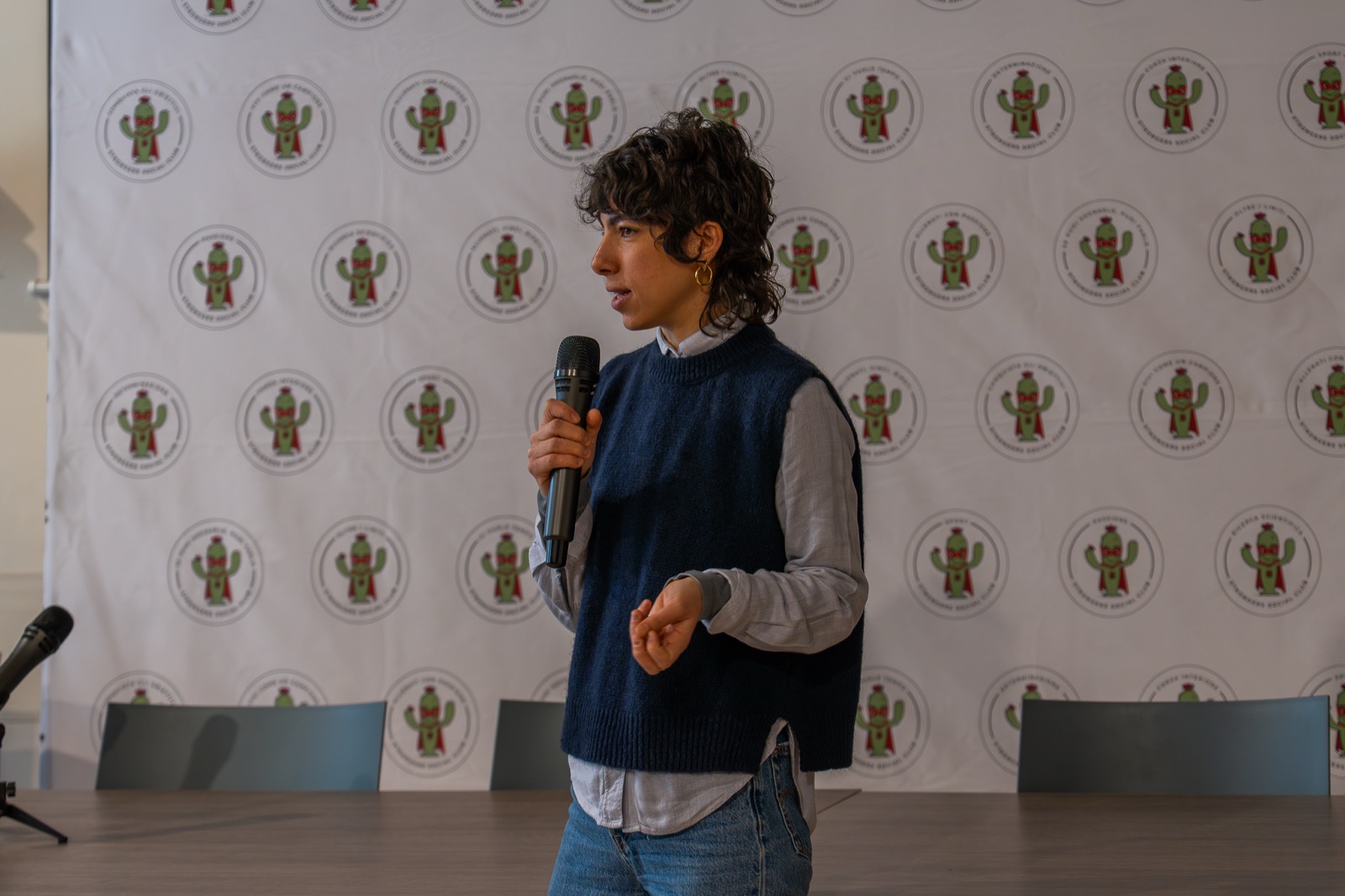
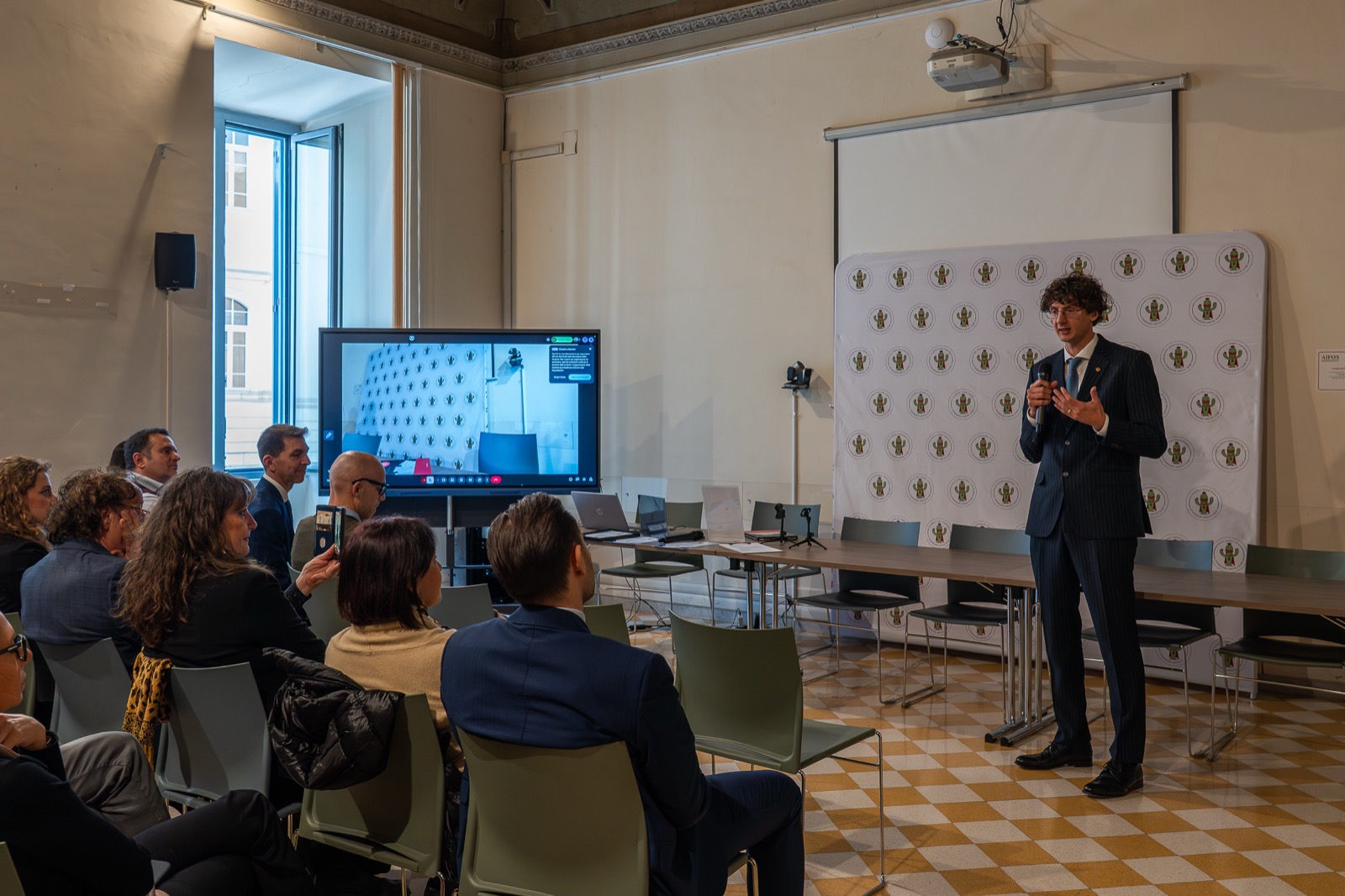
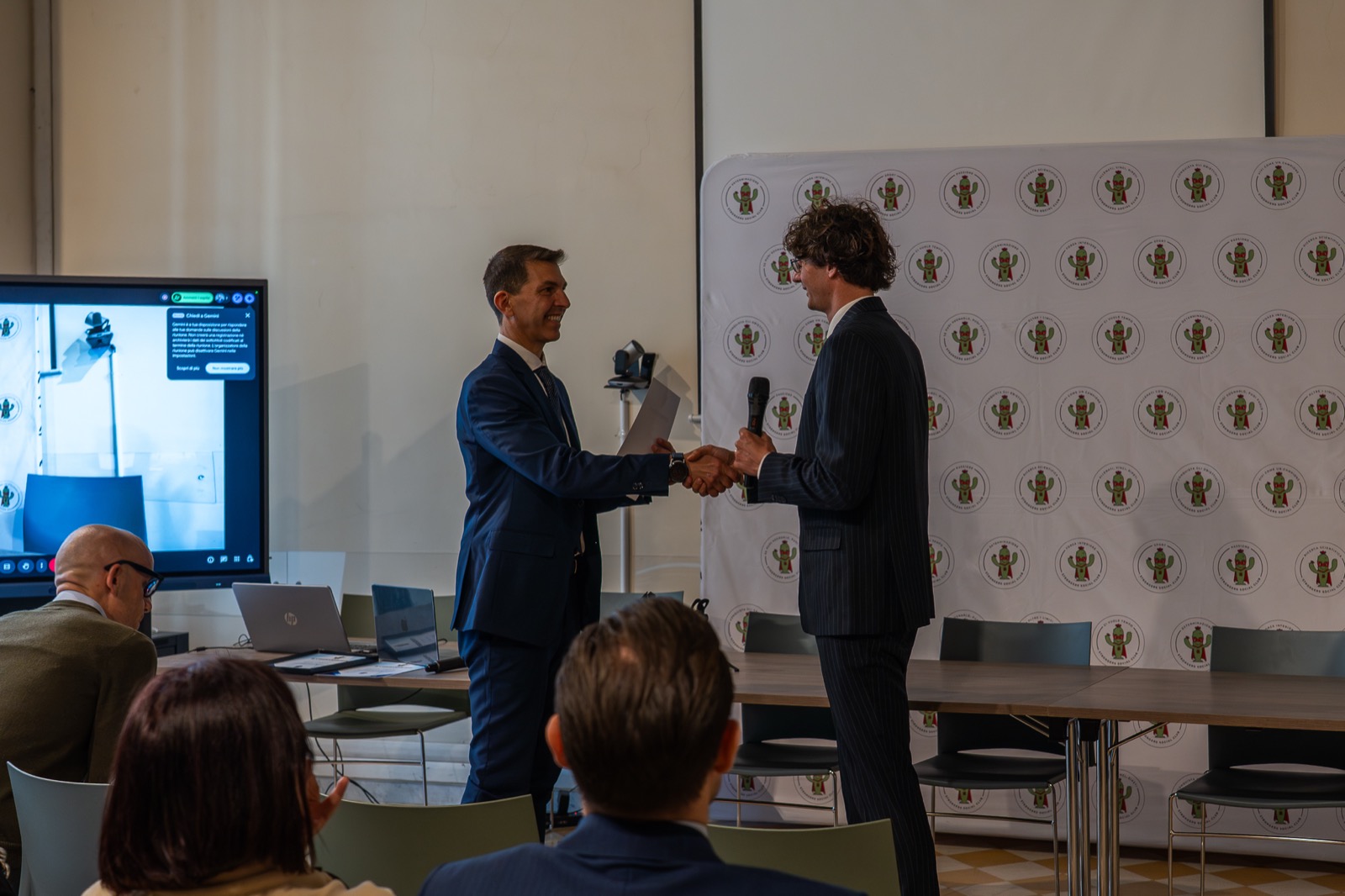
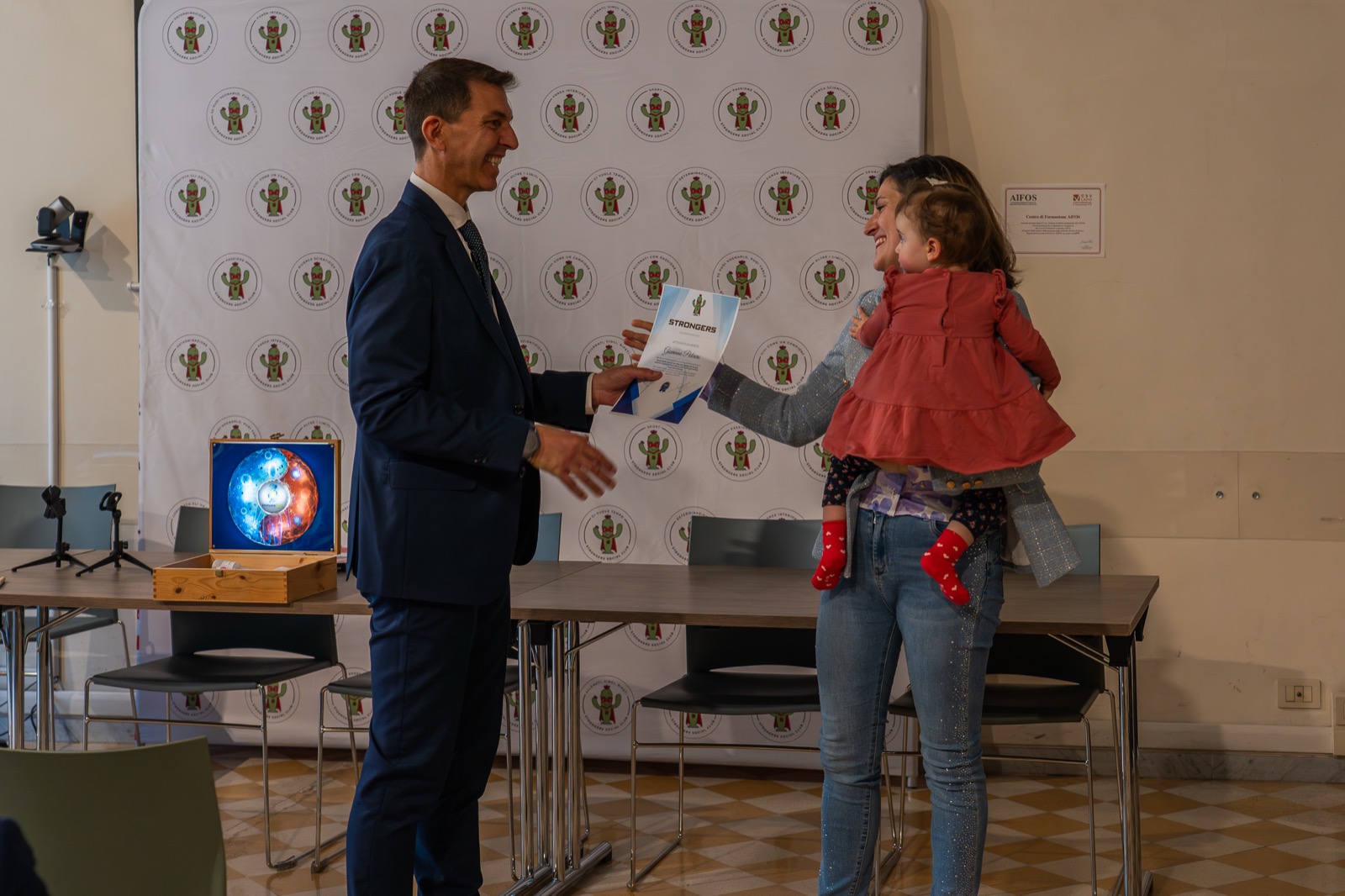
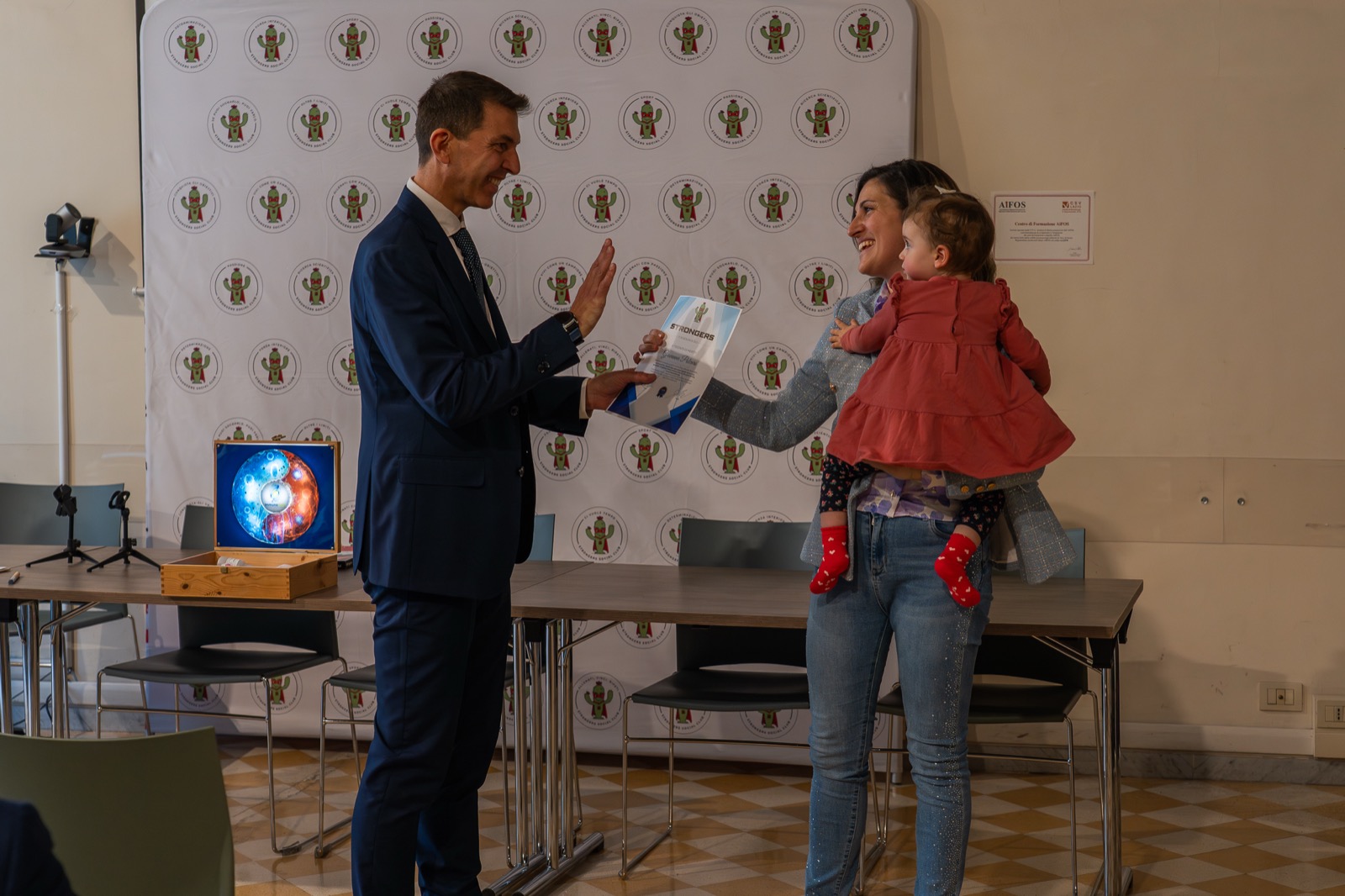
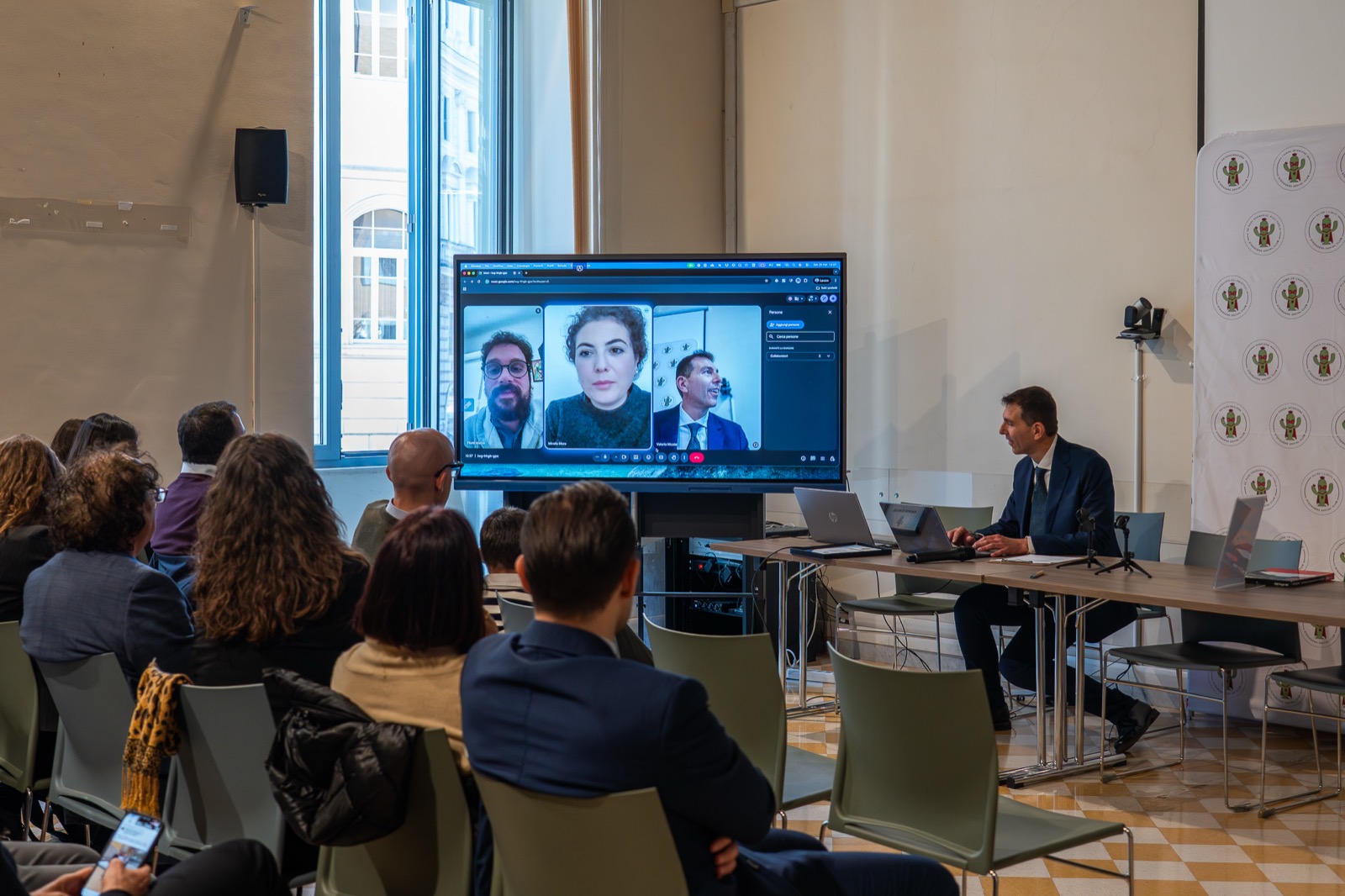
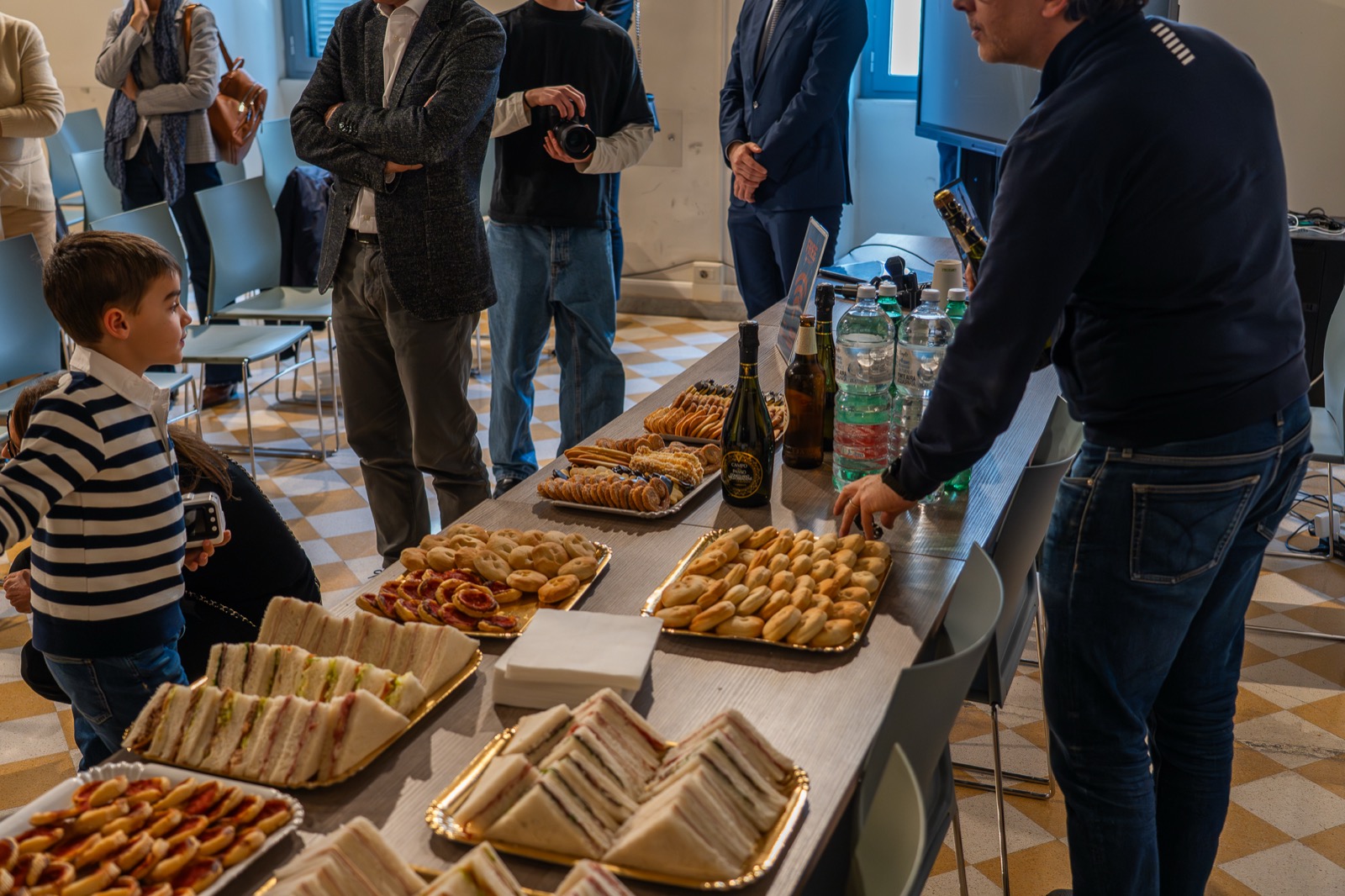
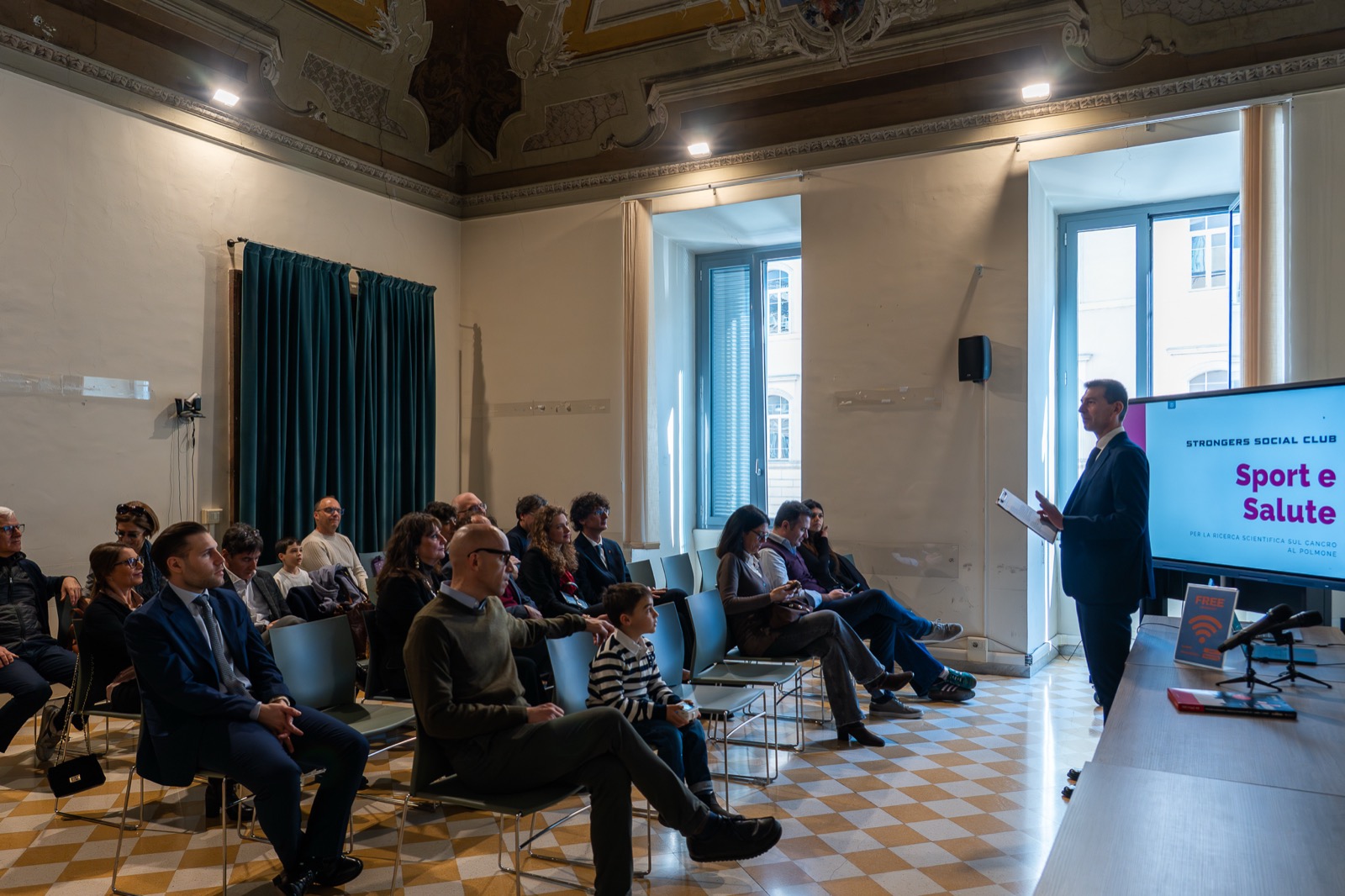
The Strongers Awards 2025 are the moment when Strongers Social Club ETS gives public recognition to the researchers who won the mini‑grant call in lung oncology.
For us this is not just an award ceremony.It is the meeting point between a community that takes action through sport and the work of those who build the future through research.
Each award is a tangible form of support, and also a sign of trust: in young researchers, in the quality of their projects, and in the value of scientific research.
What we recognise
The awarded researchers
Four projects, four research paths
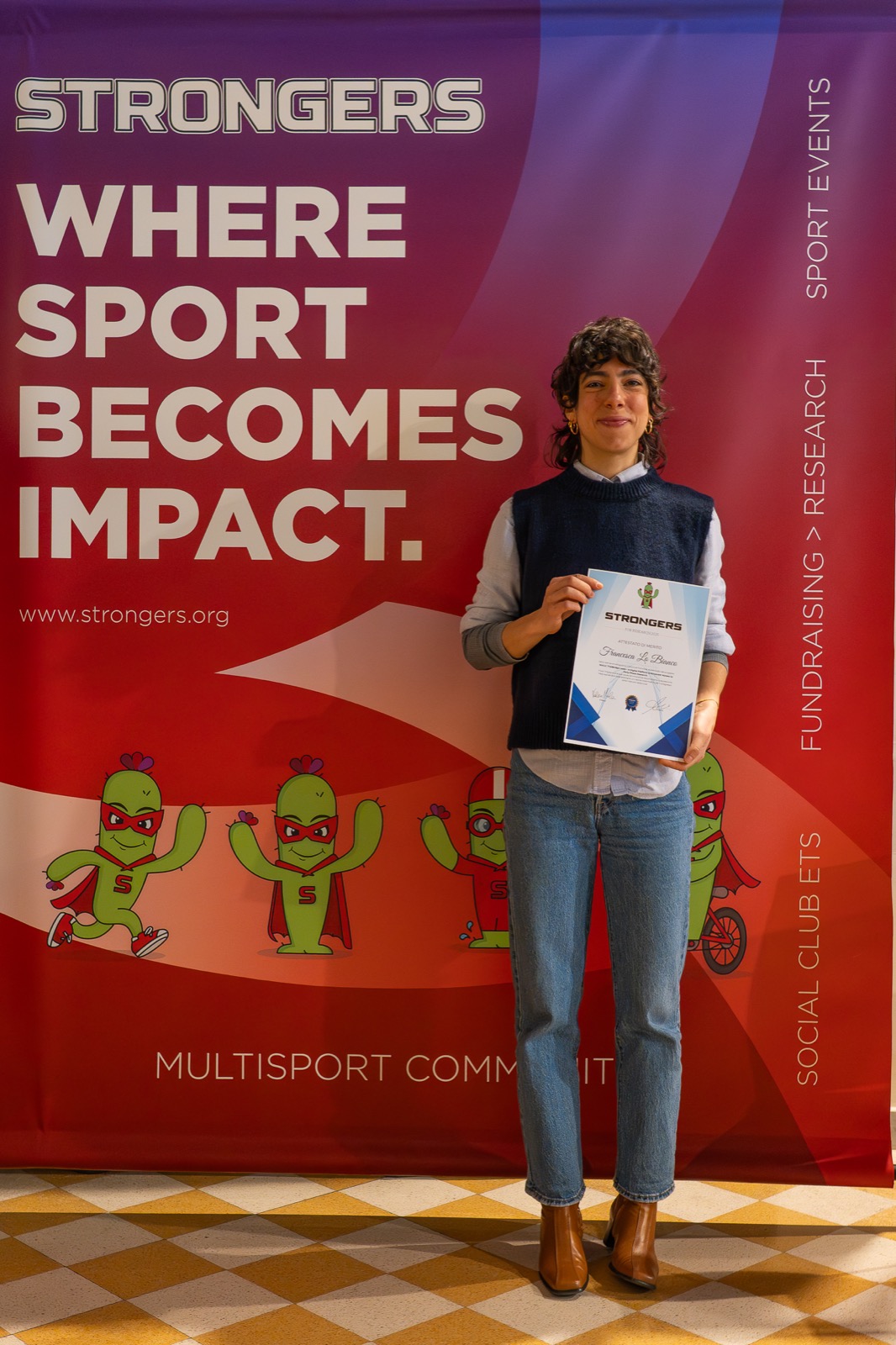
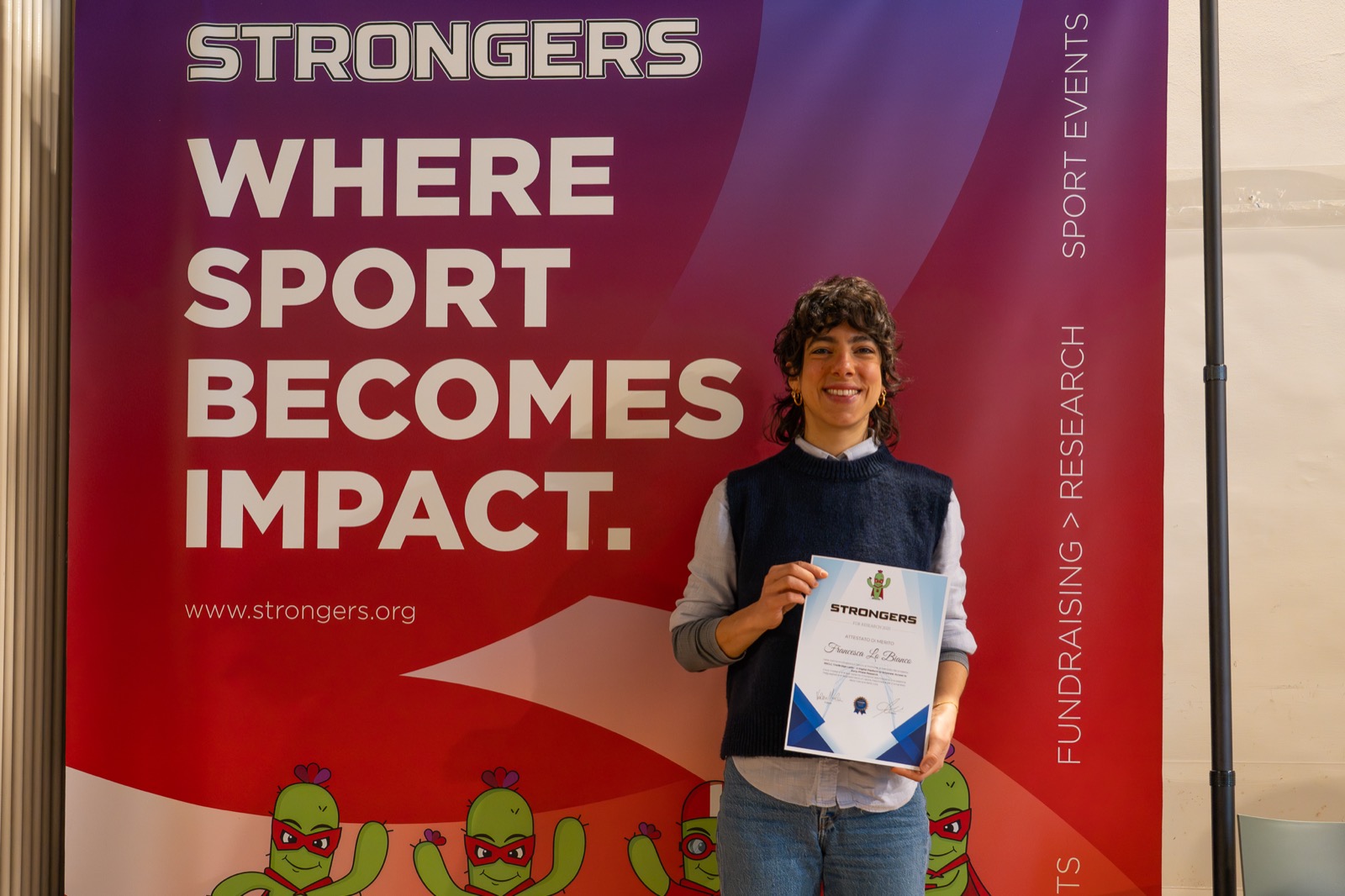
Francesca Lo Bianco
Medical Oncologist at Phase 1 Unit - IRCCS Policlinico Universitario Agostino Gemelli, Rome NSCLC TrialBridge Lazio – A Digital Platform to Empower Access to Early-Phase Research
Our project aims to develop a dedicated patient-facing interface for individuals with metastatic NSCLC who are potential candidates for systemic therapy. The purpose of this tool is to gather all active clinical trialsavailable in our region (Lazio, Italy) and make them easily accessible to patients. The platform will provideuser-friendly information on active clinical trials, enabling patients to understand whether they may be eligible and how to reach the clinical sites and to be evaluated for participation. The tool will be dynamic, easily updatable, and adaptable over time.In parallel, we plan to administer a questionnaire exploring patients’ relationship with clinical research. It will be offered to individuals with metastatic NSCLC who have received at least one prior line of therapy (second line or beyond) and divided into two groups depending on whether they have been exposed to the platform.The data collected will be used to generate evidence on the platform’s impact and to guide future improvements.
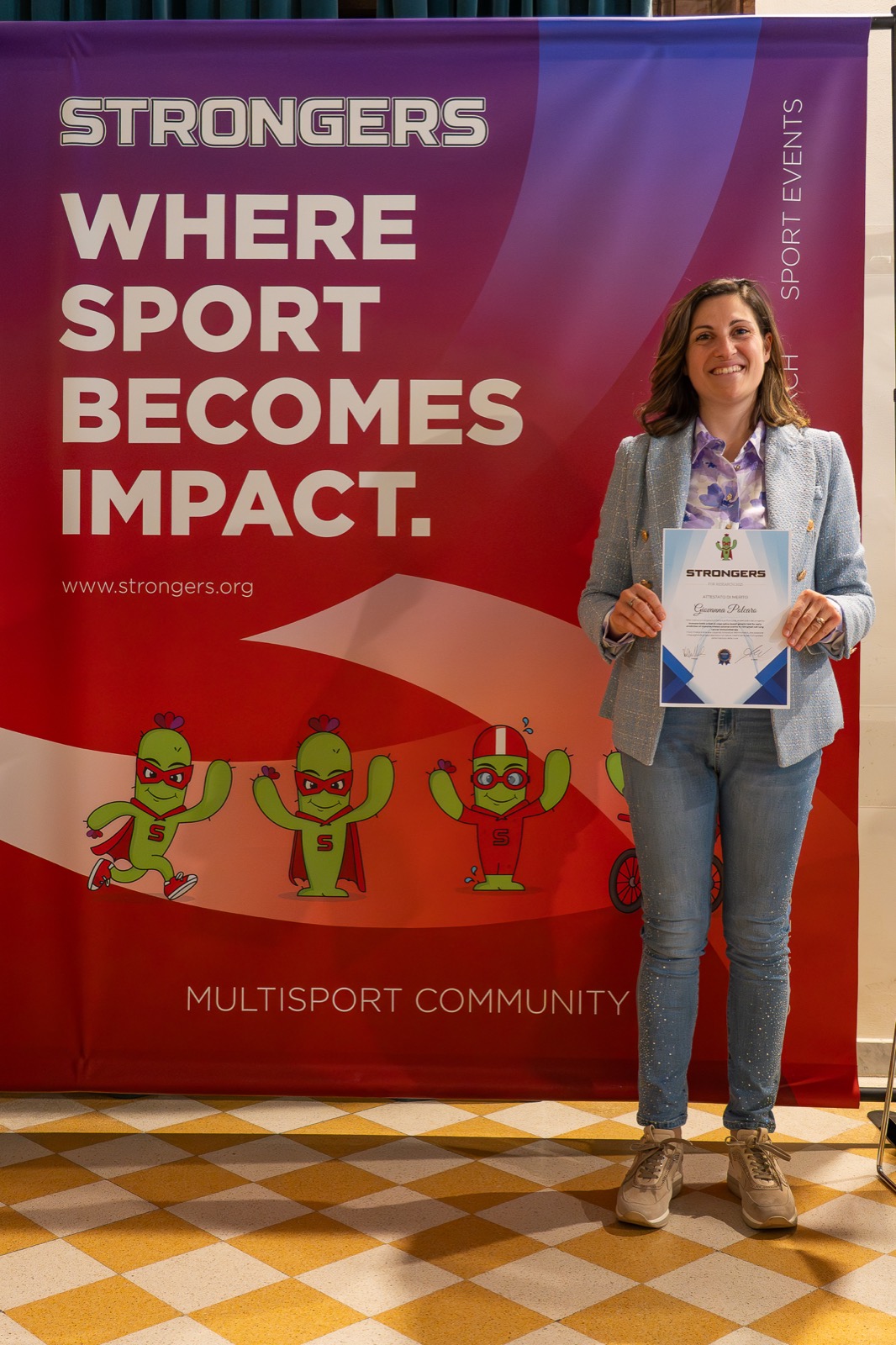
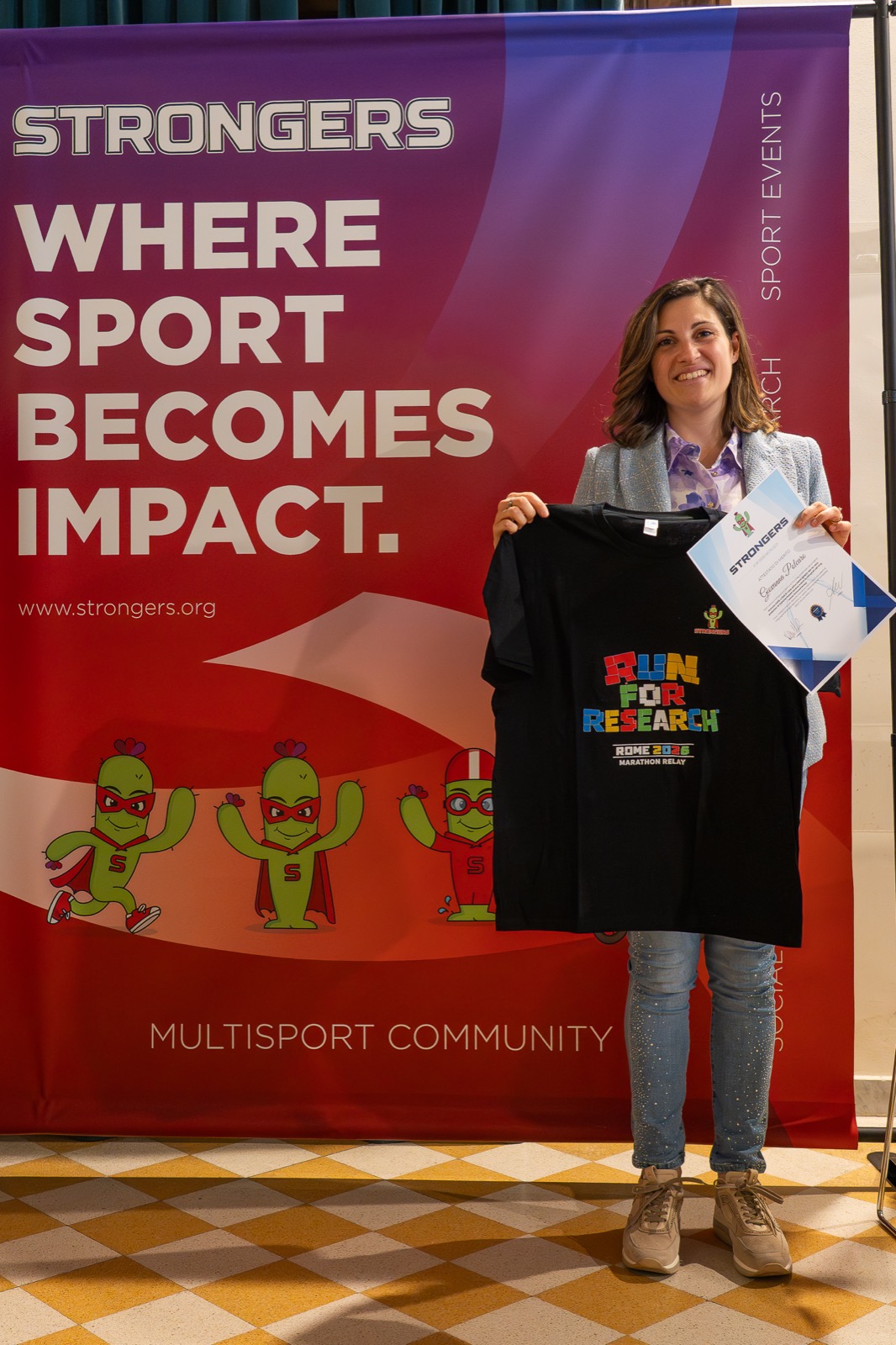
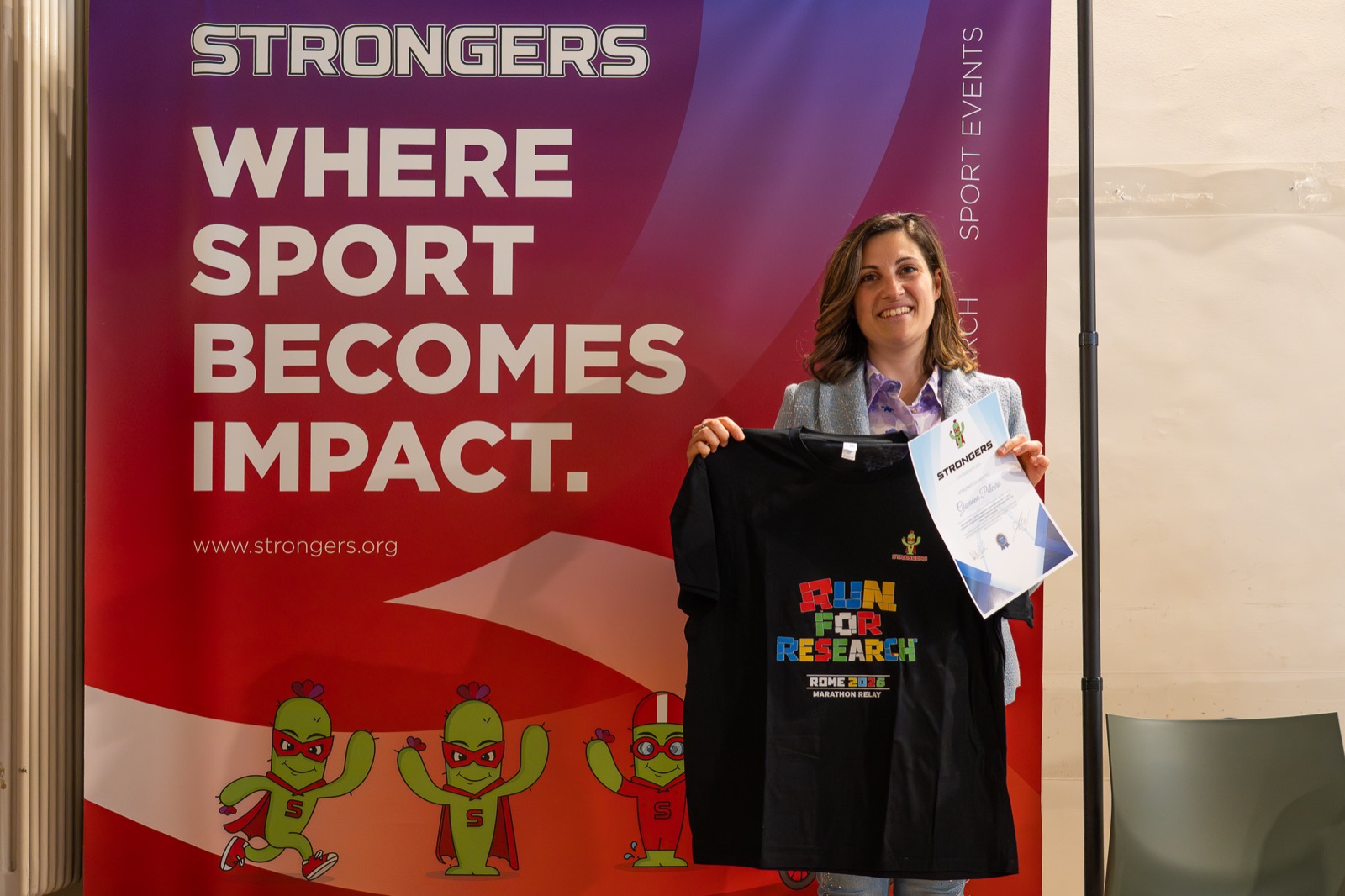
Giovanna Polcaro
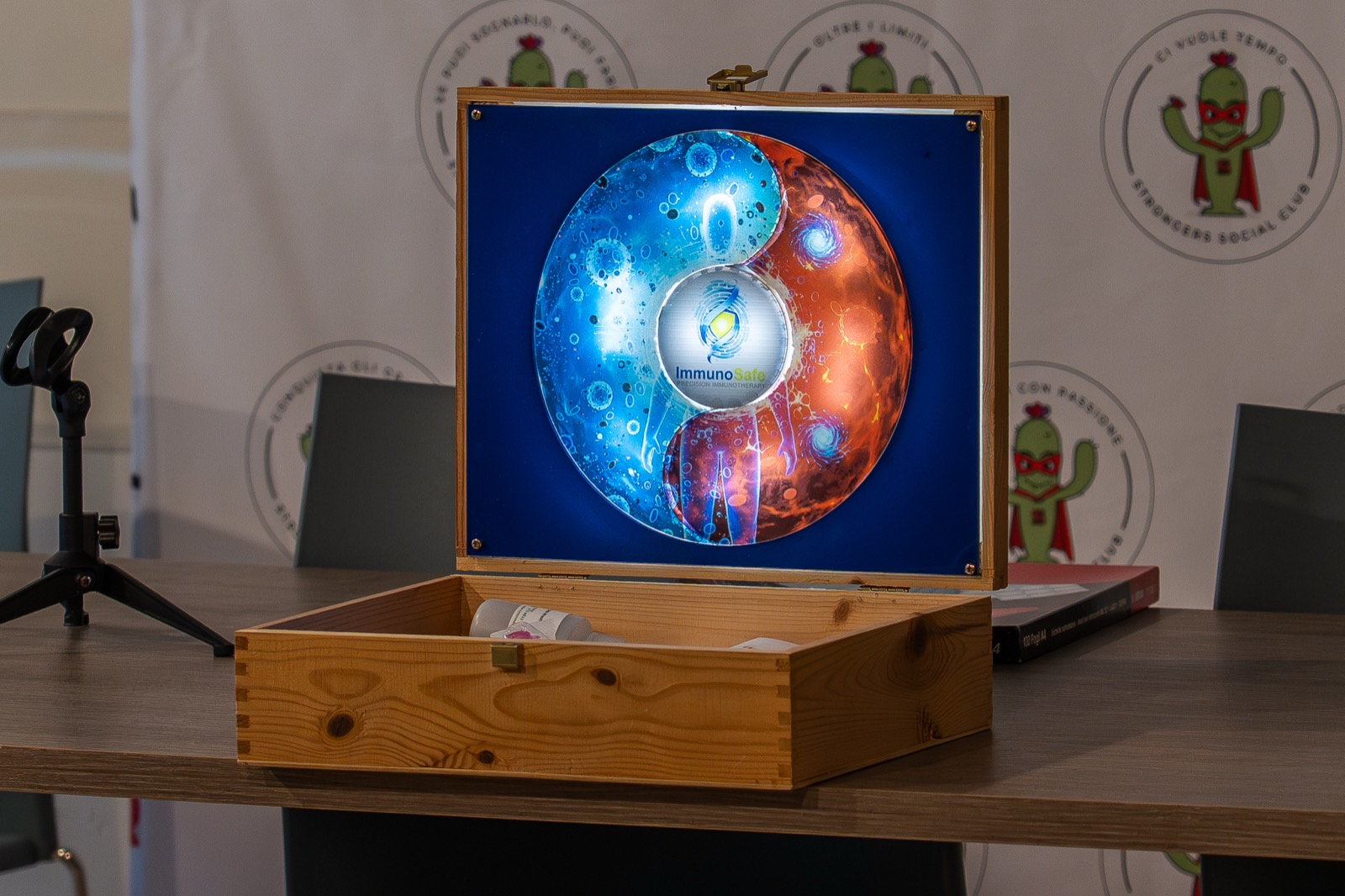
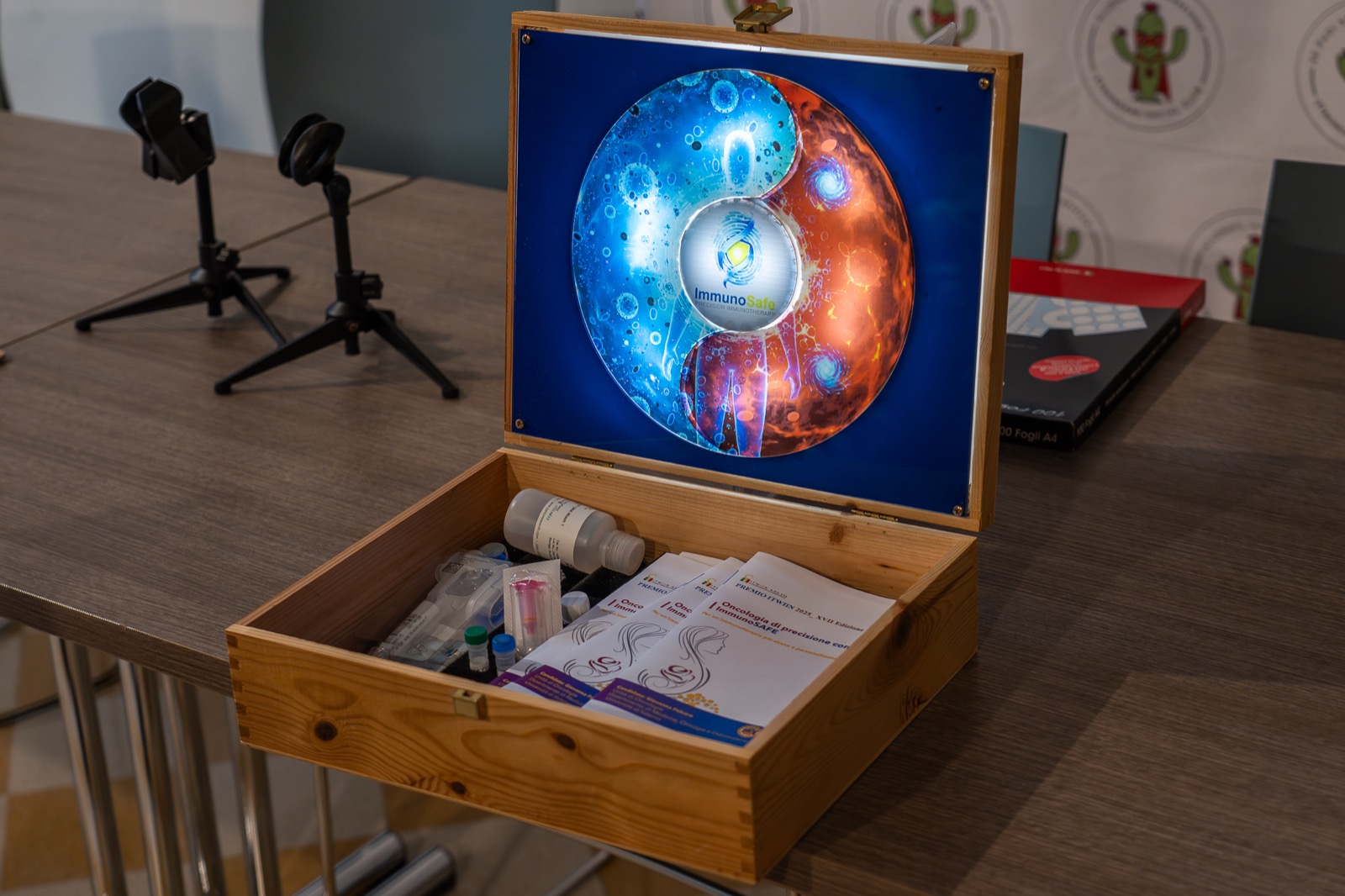
Post-Doctoral Fellow in Immuno-Oncology lab Department of Medicine, Surgery and Dentistry-University of Salerno Immuno-SAFE: a first-in-class saliva-based genetic test for early prediction of immune-related adverse events in non–small cell lung cancer immunotherapy
Immuno-SAFE is a rapid (<24 h), non-invasive and patient-friendly kit that genotypes the PD-1 SNP rs10204525 to predict severe irAEs in NSCLC patients eligible for anti–PD-1/PD-L1-based immunotherapy. It enables early risk stratification, personalized treatment, preventive interventions, improved safety, fewer hospitalizations and reduced costs, with applicability to other tumors and future expansion to additional ICIs. Immuno-SAFE addresses NSCLC patients eligible for anti-PD-1/PD-L1 therapy through a saliva-based, non- invasive, standardized workflow. Its rapid, low-cost design enables easy transfer across Italian and international oncology and diagnostic centers. Supported by existing infrastructures and collaborations, it is scalable to other ICI-treated cancers, enhancing patient safety, treatment continuity, and evidence-based
precision immunotherapy.
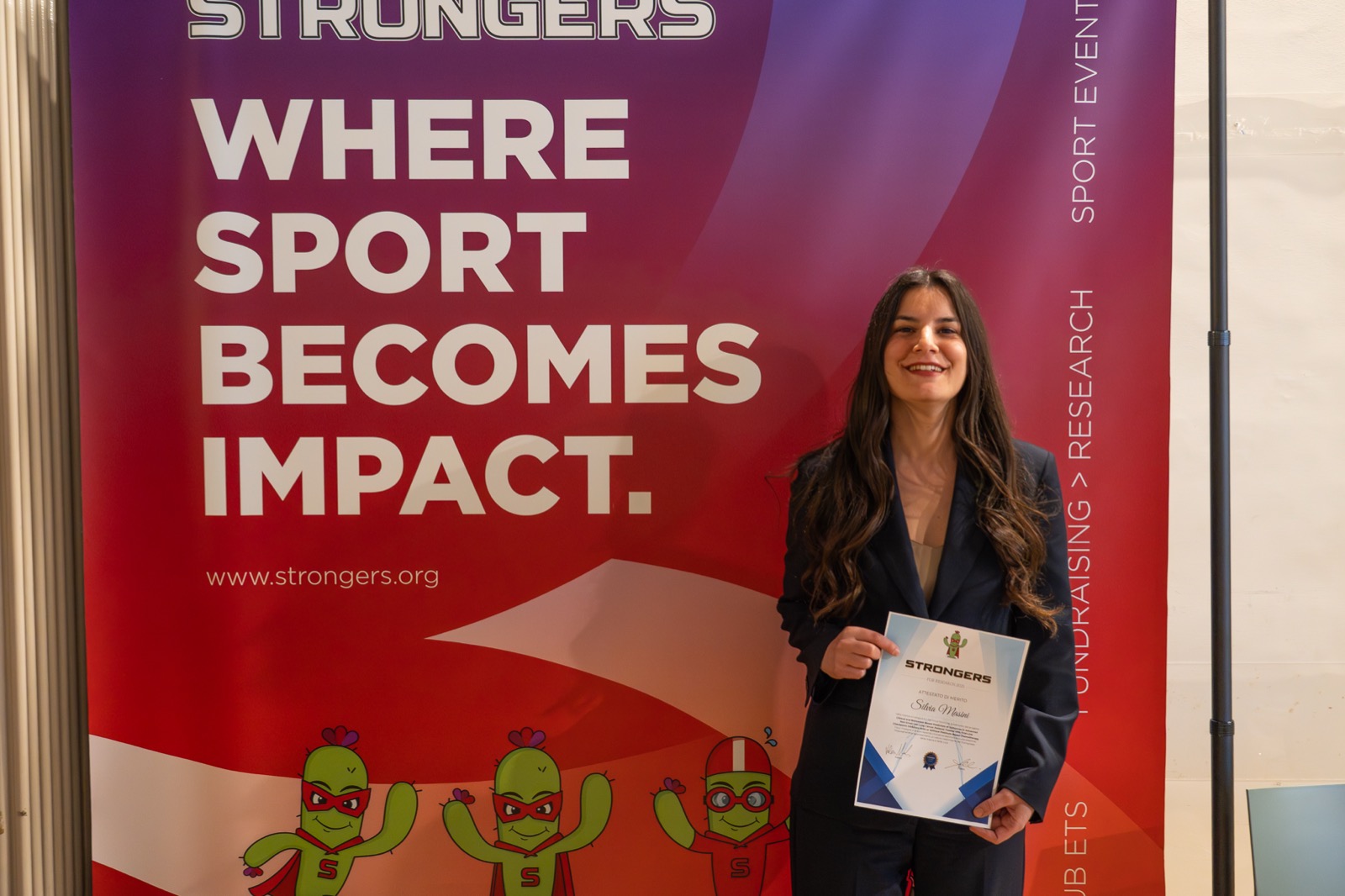
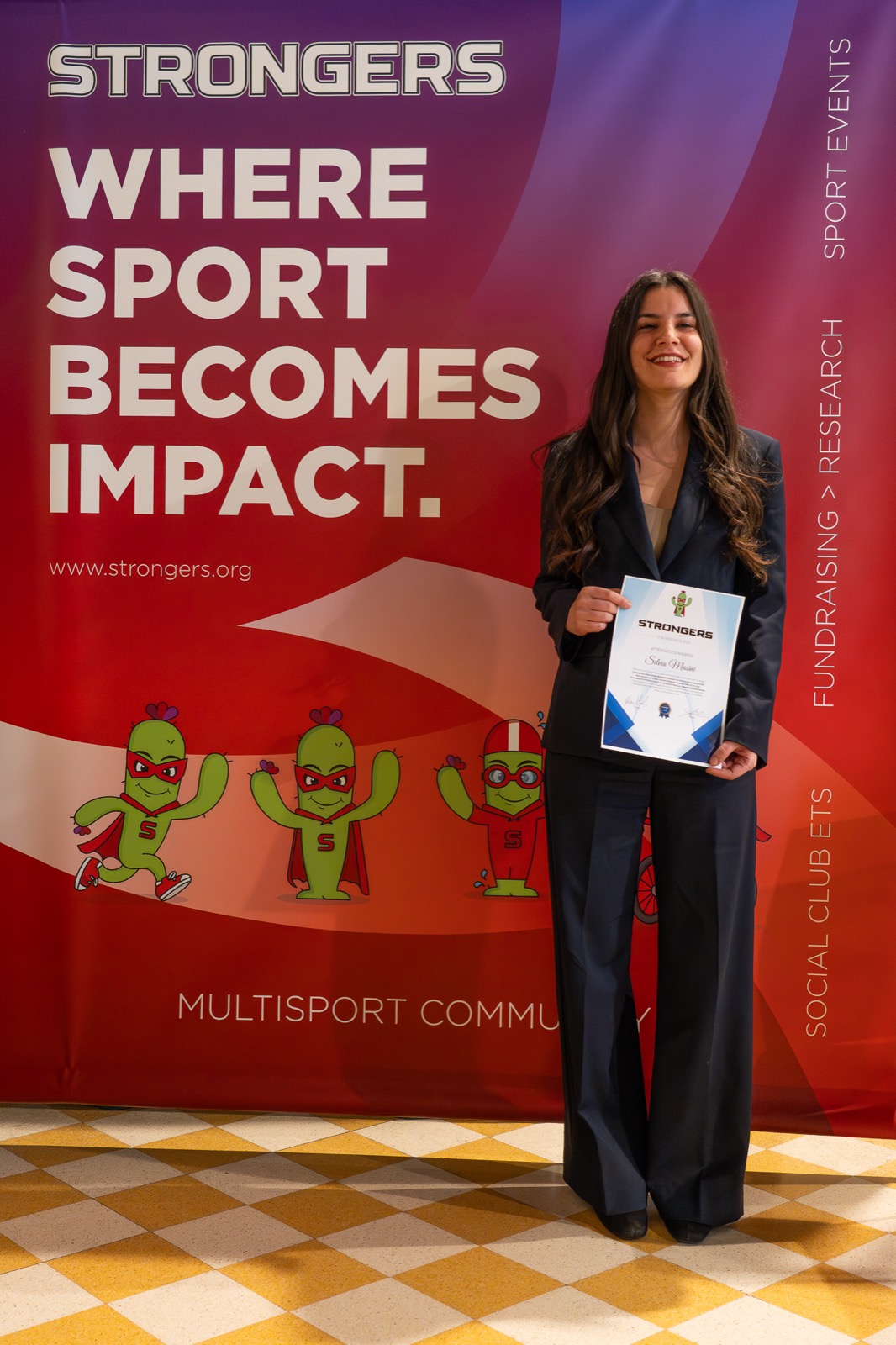
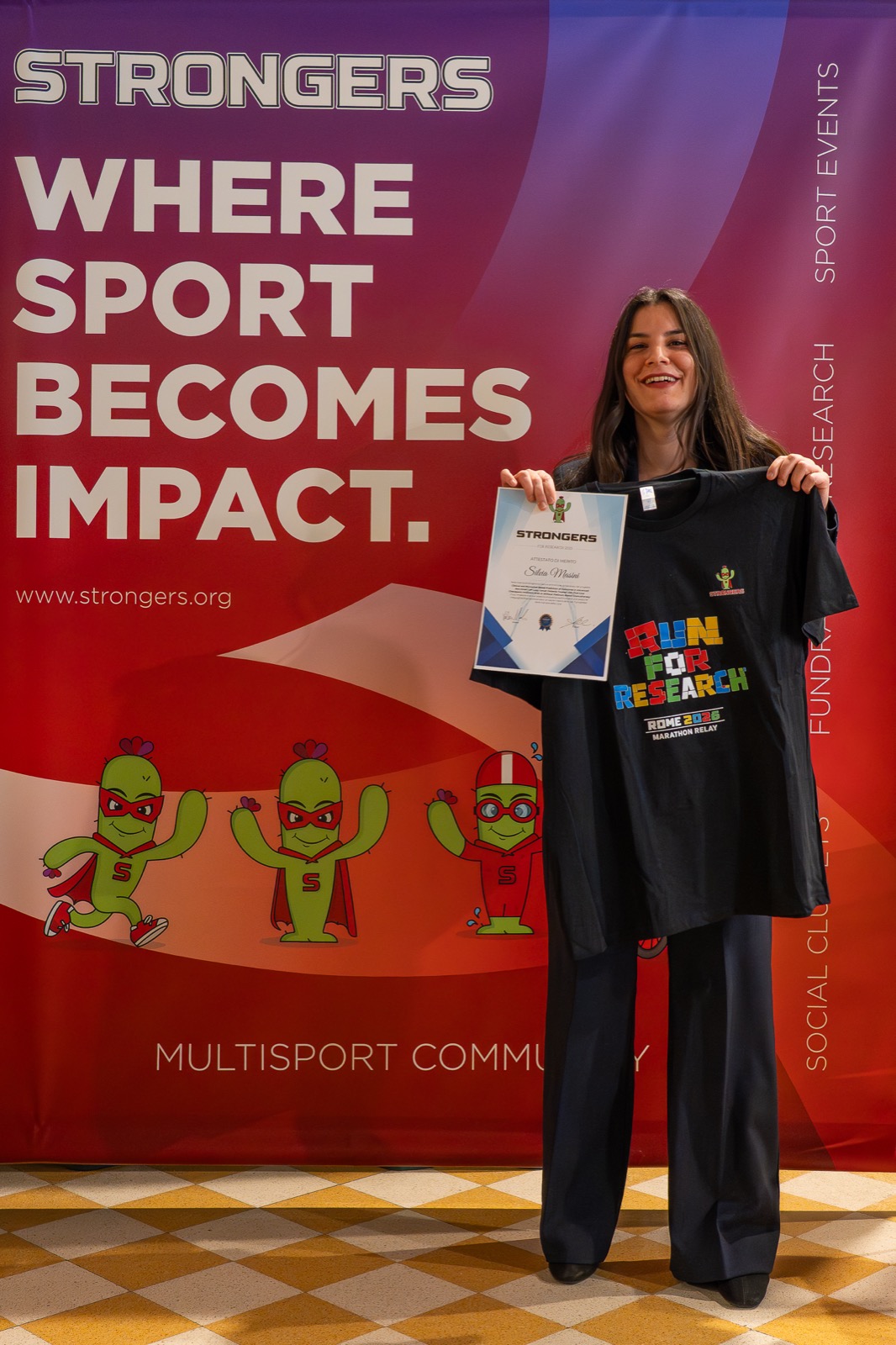
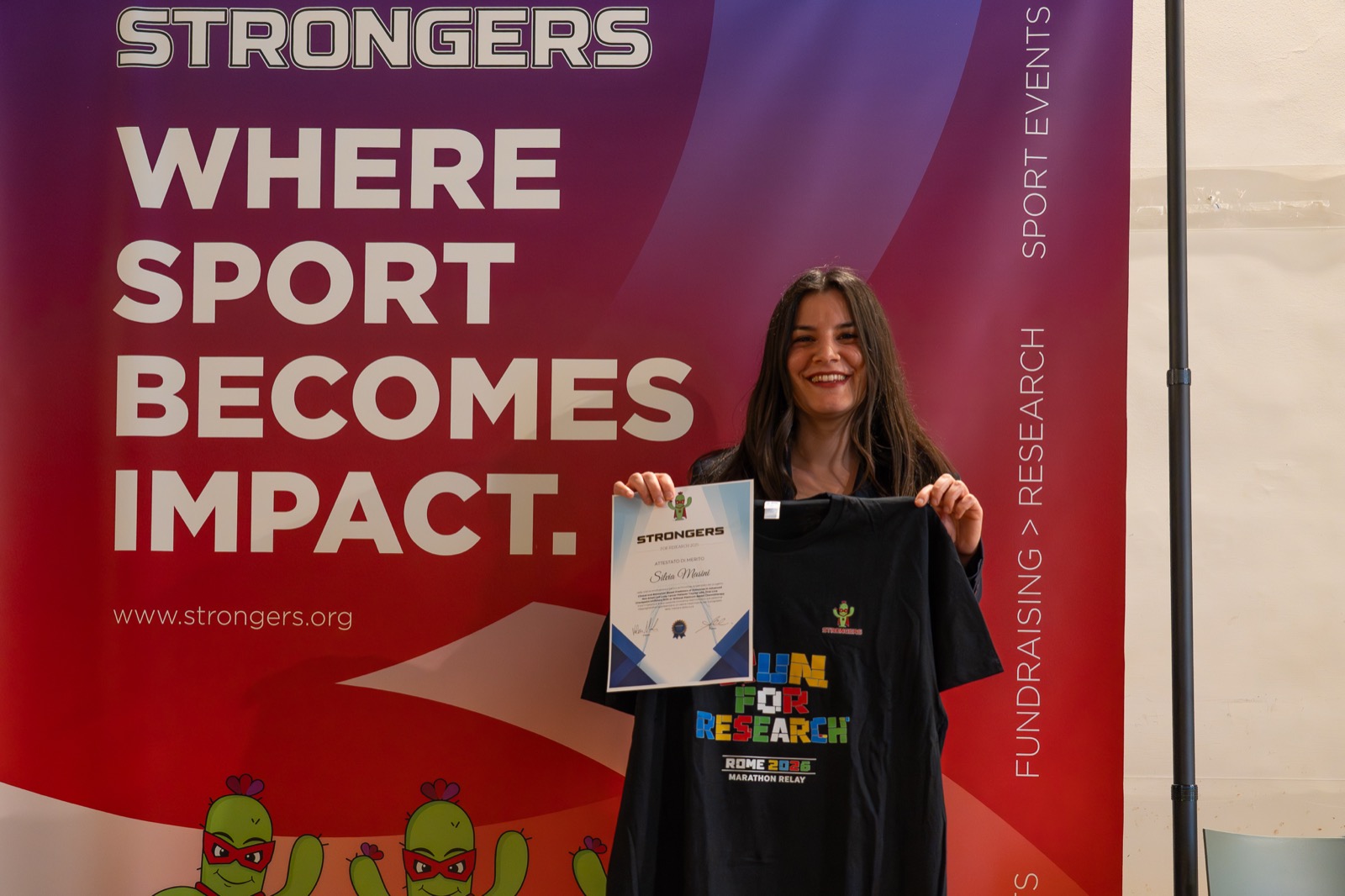
Silvia Masini
Fifth-year Medical Oncology Resident Department of Biomedical Sciences, Humanitas University, Pieve Emanuele, Milan, Clinical and Biomarker-Based Predictors of Outcomes in Advanced Non-Small Cell Lung Cancer Patients Treated with First-Line Checkpoint Inhibitors With or Without Platinum-Based Chemotherapy
Immune checkpoint inhibitors (ICIs), alone or with platinum chemotherapy, improve survival versus chemotherapy in advanced NSCLC. In Italy, single-agent ICIs are reimbursed only for PD-L1 ≥50%, whereas chemo-ICI combinations are used for PD-L1 <50%. However, outcomes vary widely even within the same PD-L1 subgroup, indicating that additional clinical and biological factors influence ICI benefit. This single-center retrospective study aims to develop artificial-intelligence (AI) models integrating molecular and clinical features to predict outcomes in patients treated with first-line ICIs ± platinum chemotherapy, with prospective validation planned. Artificial intelligence will be applied to integrate clinical, molecular, and radiological data and generate high-fidelity synthetic datasets using GANs and other generative models. Predictive models will be validated with the SAFE and MOSAIC frameworks to improve outcome prediction in first-line immunotherapy for advanced NSCLC while preserving privacy and supporting wider data sharing.
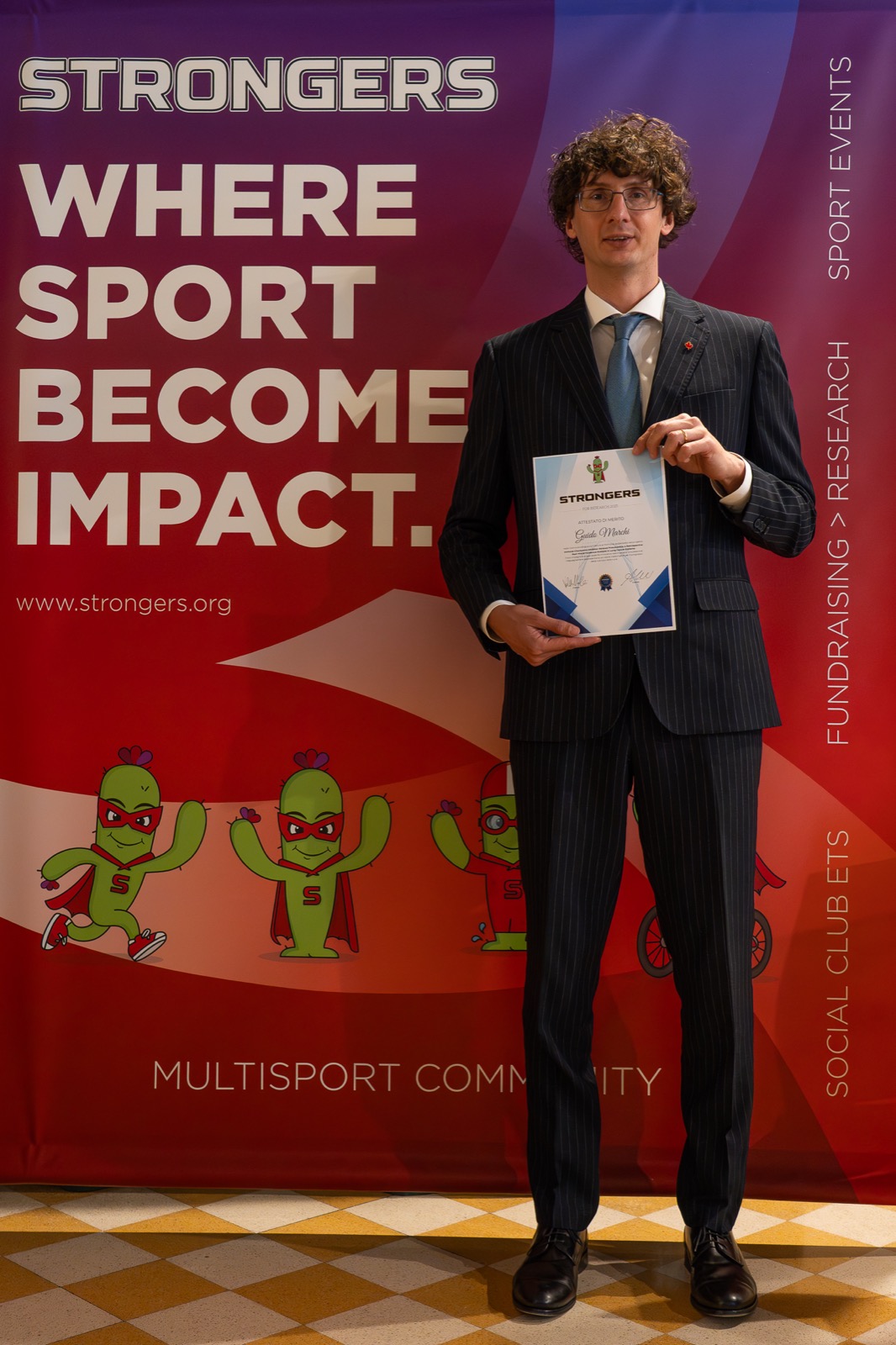
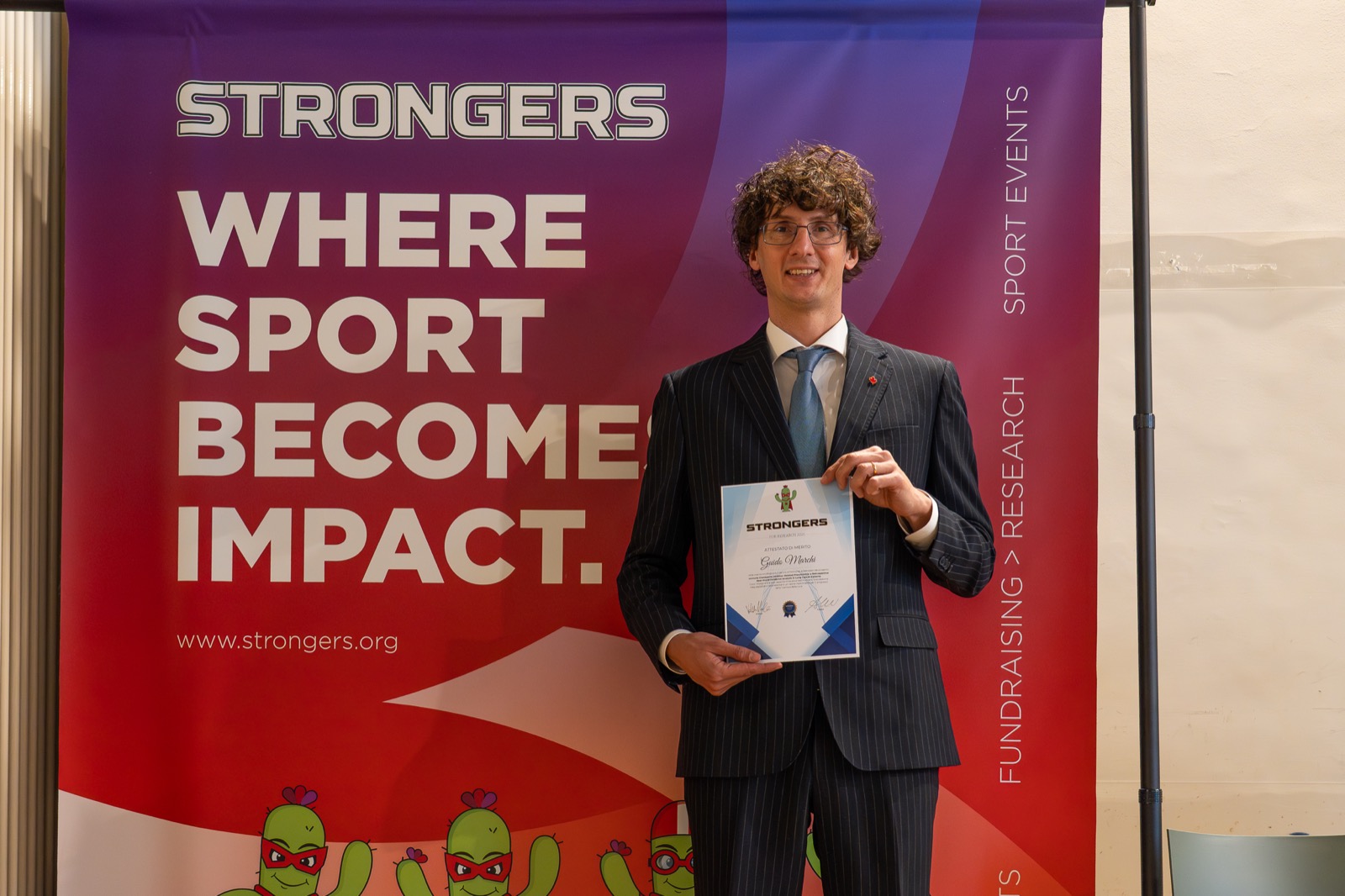
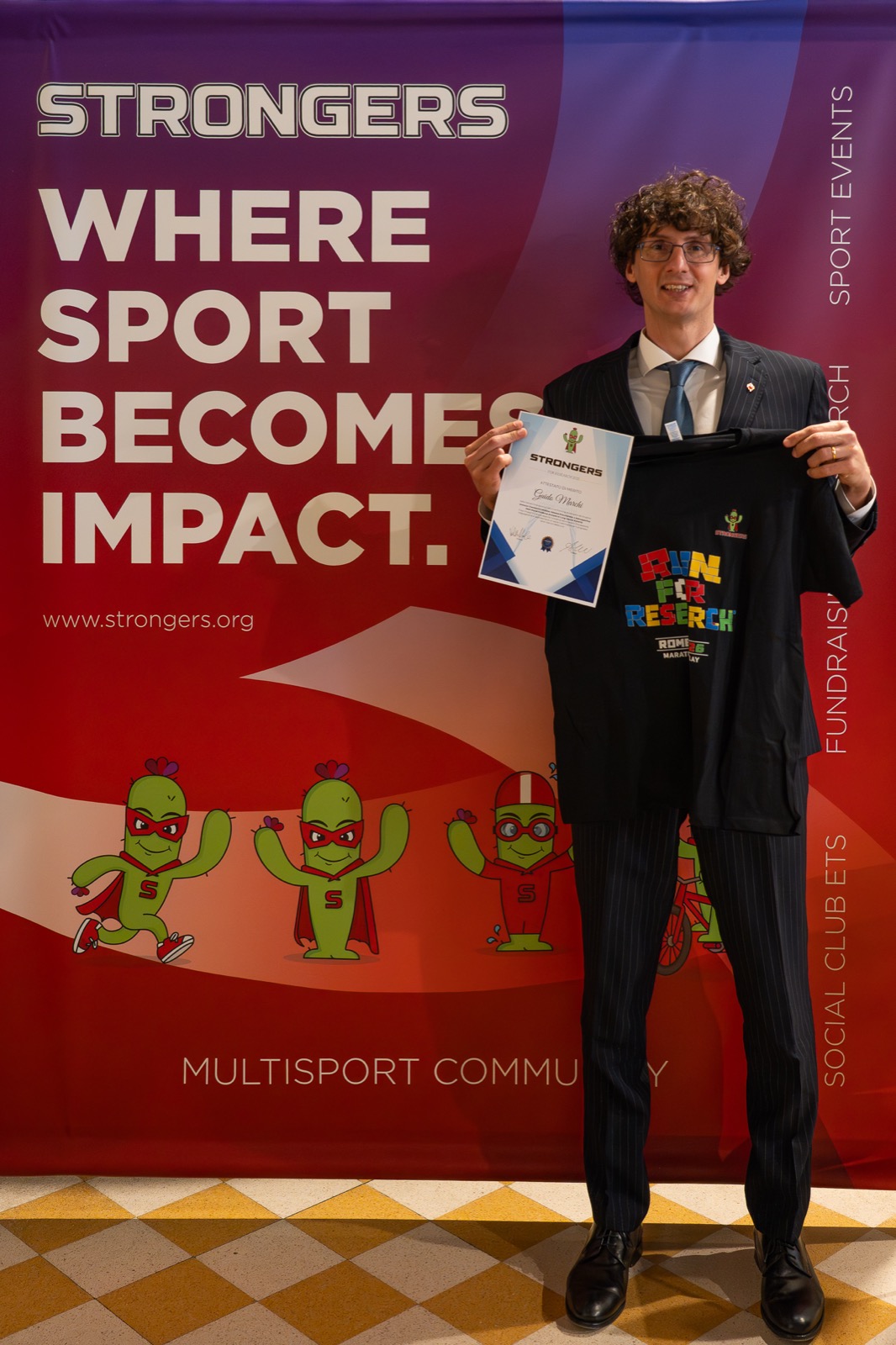
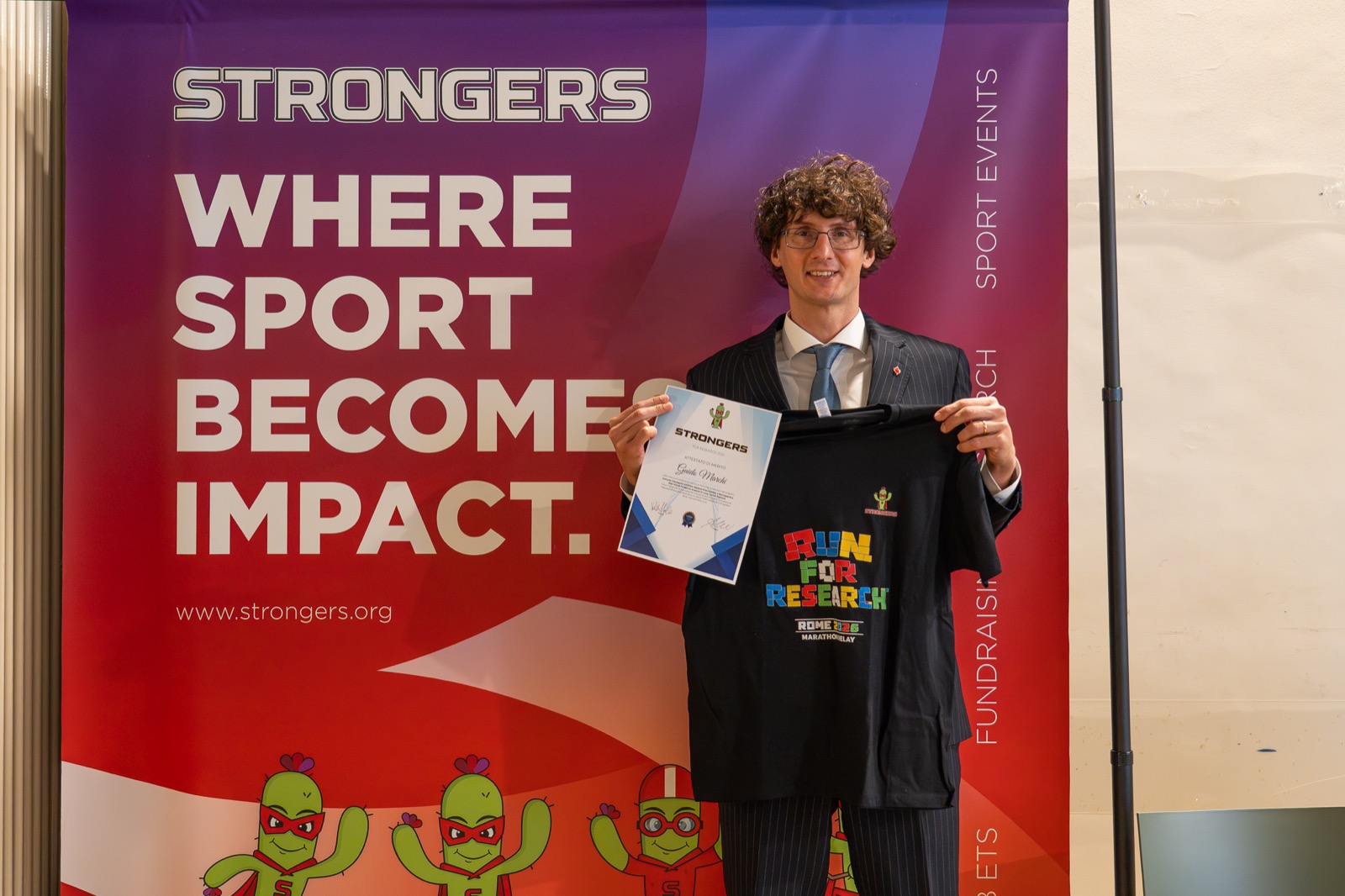
Guido Marchi
MD Pulmonologist Pisa University Hospital Immune Checkpoint Inhibitor–Related Pneumonitis: a Retrospective Real-World Incidence Analysis in Lung Cancer Patients [IMPEREAL study]
The IMPEREAL study proposes a comprehensive real-world analysis to generate robust epidemiological evidence on CIP incidence, clinical phenotypes, and risk stratification. Based on current literature and clinical guidelines (ESMO, ASCO, ERS), we will: (1) determine real-world CIP incidence across ICI classes through a 10-year retrospective cohort analysis; (2) characterize CIP multidimensionally integrating clinical presentation, pulmonary function, CT imaging patterns, and biomarkers to better understand diagnostic features; (3) identify potential risk factors and explore patterns for patient stratification; (4) investigate associations between clinical characteristics and treatment response to inform future management strategies. This evidence-based approach aims to contribute meaningful data for early diagnosis, risk-adapted management, and therapeutic decision-making, potentially supporting the development of clinical practice recommendations for CIP management in lung cancer patients.
Recognition fuels momentum
In the early stages of a scientific career, even targeted support can make a difference.
Not only because of the financial resources it provides, but also for the public value it attributes to the quality of the work being done.
This is why the Strongers Awards go beyond providing financial support: they make merit visible, strengthen researchers’ credibility, and help create fresh momentum around their work.
- Public recognition of scientific merit
- Initial support at a decisive stage in a research career
- Greater visibility for researchers and projects
- Highlighting research in lung oncology
From participation in sport to tangible support for research
On 21 and 22 March, between the Fun Run and the Rome Marathon relay, 138 runners took part with Strongers.
Their participation was far from symbolic.It gave concrete strength to the Strongers model: a community that steps into sport to generate real impact.
The Strongers Awards 2025 make this very transition visible: from participation to recognition, from community to research.
138 runners
They joined Strongers in the Rome Marathon Fun Run and the Relay, actively contributing to the mini‑grants in lung oncology research.
The Strongers model
Strongers was created from a simple idea: to turn the energy of sport into concrete support for scientific research.
Every event, every registration, every donation and every act of participation help build a new model: accessible, inclusive and impact‑oriented.
The Strongers Awards 2025 are the tangible result of this journey.The community takes part, sport creates value, research receives new support.
A community running for research
Behind every award there is a network of people who chose to be there: runners, volunteers, donors, partners and supporters.
The Strongers Awards are not just the outcome of a fundraising campaign.They are the sign of a community that believes in research and chooses to support it through participation.
Because every step, every race and every challenge can become part of something bigger.