
Exercising during chemotherapy: what research says about physical activity
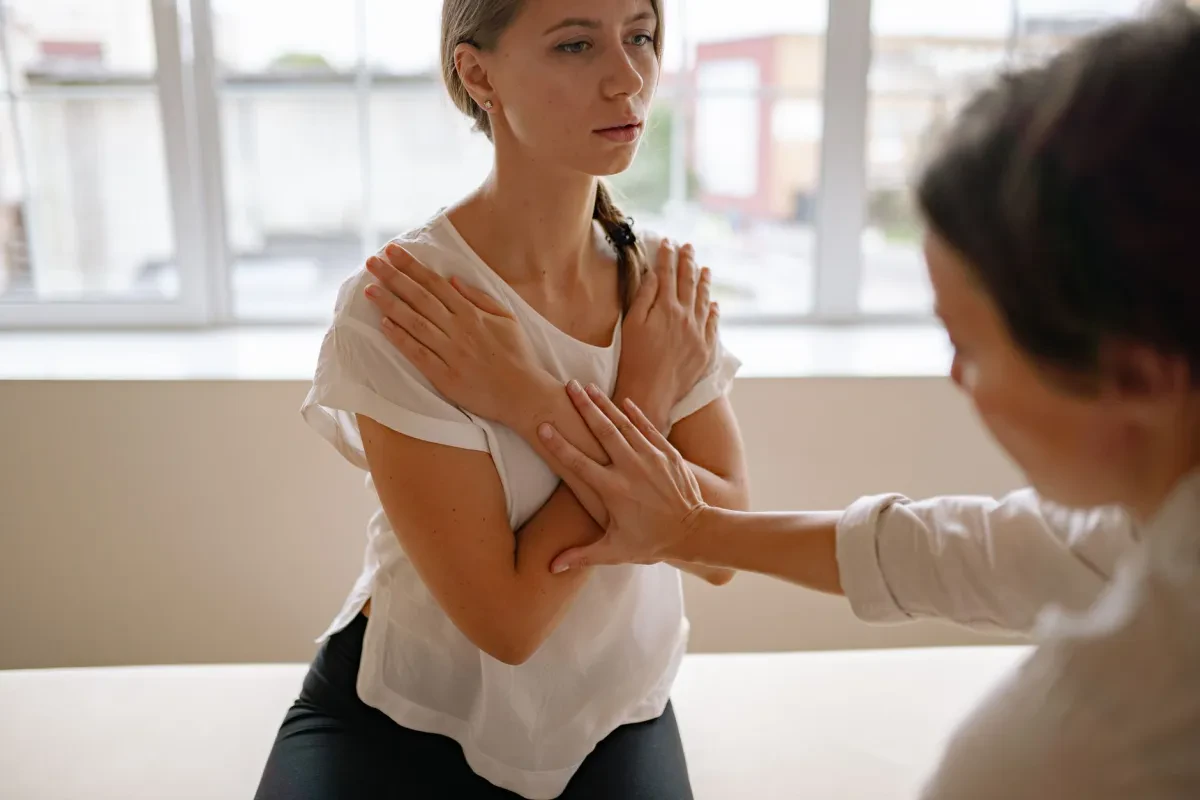
Complete rest during chemotherapy? International guidelines say that, for many people, adapted physical activity helps manage fatigue. Here's what we know — and why the first step is talking to your oncology team.
Movement doesn't stop with a diagnosis
There's an idea that refuses to die: during chemotherapy, all you can do is rest. Research from recent years tells a more nuanced story. For many people undergoing treatment, physical activity that is adapted and agreed upon with the oncology team is possible and helps manage certain side effects — starting with fatigue, the persistent tiredness that doesn't go away with rest. It is not a cancer therapy and does not replace treatment: it is a support for the way you get through it.
What the guidelines say
Two international documents serve as the main reference points:
- ASCO 2022: the American Society of Clinical Oncology guideline (Ligibel et al., Journal of Clinical Oncology) recommends that oncologists offer aerobic and strength exercise during curative-intent treatments to help mitigate their side effects. Studies show a reduction in fatigue, maintenance of strength and cardiorespiratory capacity, and — in some groups — improvements in quality of life, anxiety, and depressive symptoms, with a low risk of adverse events.
- ACSM 2019: the international consensus coordinated by the American College of Sports Medicine (Campbell et al., Medicine & Science in Sports & Exercise) indicates that moderate aerobic activity programmes, repeated several times a week for at least 12 weeks, reduce fatigue both during and after treatment, and that strength training also plays a role.
The evidence is promising but heterogeneous: studies differ in terms of cancer type, treatments, and proposed programmes, and there is no single protocol that works for everyone.
Why the first step is your oncology team
How much, when, and how to move depends on the individual: on the type of cancer, the medications, blood test results, any other conditions, and baseline physical fitness. There are times when stopping is the right choice — for example, in the case of fever, significantly altered blood values, pain, or new symptoms. For this reason, individual guidance should be sought from an oncologist and, where possible, from exercise professionals with experience in oncology. This article is not a prescription.
The most studied activities are straightforward: walking, stationary cycling, mobility exercises, and light muscle-strengthening. When timing allows, some centres also offer a physical preparation programme before treatment begins — known as prehabilitation.
Group activity can make a difference
Some studies suggest that group activity, alongside its physical benefits, helps with motivation and reduces isolation. Sharing the experience makes it easier to stay consistent, and connecting with others in the same situation matters.
A final thought
Twenty minutes of walking won't cure cancer. But, for many people and with medical clearance, it can help you feel less tired and regain a sense of control over your body at a time when everything seems out of control.
If you are going through cancer treatment and want to understand how to move safely, talk to your oncology team first.