
Heart, lungs, and research: why cardiorespiratory fitness is the key biomarker in the fight against cancer
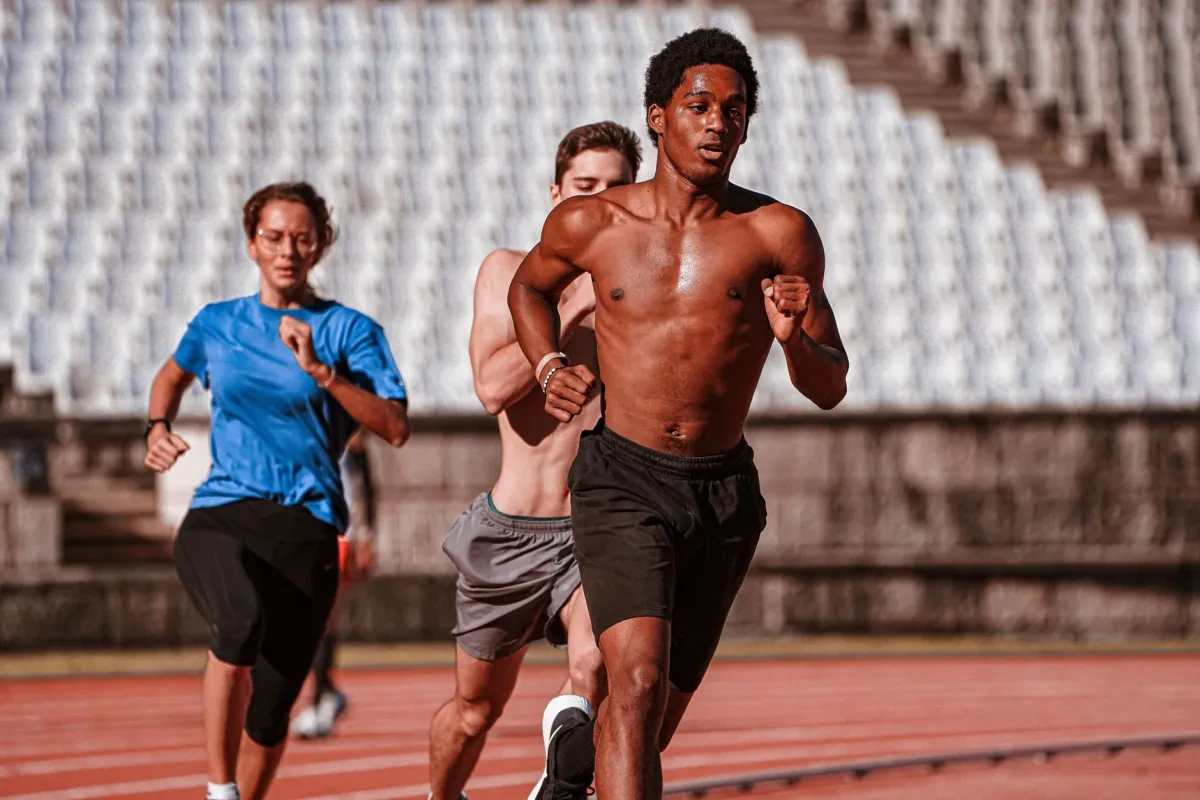
Cardiorespiratory fitness, measured as VO2max, is one of the most reliable functional biomarkers for health. Discover why a trained heart, lungs, and muscles make all the difference — even in oncology research.
The number that tells your health story better than a thousand tests
It's called VO2max — the maximum volume of oxygen your body can consume per minute during intense exercise. It's the measure of cardiorespiratory fitness (CRF), meaning the combined capacity of the heart, blood vessels, lungs, and skeletal muscles to transport and use oxygen to perform physical work. A single number, yet capable of revealing a great deal about your actual state of health.
In the scientific and sports community, CRF is increasingly recognised as one of the most reliable functional biomarkers for assessing long-term health. And for those involved in oncology research — as we at Strongers are every day — understanding this indicator means better understanding the battlefield.
Why VO2max declines with age (and what we can do about it)
The bad news: VO2max decreases with ageing. In untrained individuals, the decline is around 1% per year; in those who train regularly, the decline slows significantly to 0.3–0.5% per year. Multiple parameters are involved: maximum heart rate drops, stroke volume (the amount of blood pumped with each beat) decreases, and with it overall cardiac output.
The good news — and here lies the positive paradox we love to celebrate — is that a fit older adult can have a VO2max comparable to that of a sedentary young person. Regular aerobic exercise increases pulmonary ventilation, muscular capillarisation, stroke volume, and mitochondrial density: three systems working together to keep the engine running.
How it's measured and what normative data tells us
VO2max is expressed in two ways:
- Absolute: millilitres of O₂ per minute (useful for total performance)
- Relative: mL O₂ per kg of body weight per minute — the preferred value for comparing people of different weights
To give a concrete example: a 60-year-old woman with a VO2max of 24 mL·kg⁻¹·min⁻¹ falls around the 60th percentile for her age group — a good result. Values are interpreted using normative tables that classify fitness into levels, from Very poor to Superior, allowing meaningful comparisons between individuals of different ages and weights.
Training to improve CRF: ACSM guidelines
The American College of Sports Medicine (ACSM) guidelines precisely define how to train the cardiorespiratory system. The FITT model — Frequency, Intensity, Time, Type — indicates:
- Frequency: at least 3 days per week, with an optimal range of 3 to 5
- Moderate intensity: 40–59% of heart rate reserve, RPE 12–13, for at least 150 total minutes per week
- Vigorous intensity: 60–89% of heart rate reserve, RPE 14–17, for at least 75 minutes per week
- Type: continuous aerobic exercise (brisk walking, jogging, cycling) or intermittent (interval training)
A key finding: vigorous intensity exercise (above 6 METs) is more effective at increasing VO2max than moderate intensity. That said, overdoing it should be avoided: gradual progression is essential, especially for those returning to physical activity after the age of 50.
Assessing CRF: protocols for the over-50s
For older or deconditioned populations, the ACSM and the ACSM's Fitness Assessment Manual (Kaminsky) recommend specific protocols such as the 6-Minute Walk Test — a practical test that measures the distance covered in 6 minutes at a self-selected pace — particularly useful in clinical and rehabilitation settings. For more precise VO2max estimates, submaximal and maximal tests on a treadmill or cycle ergometer are used instead, with standardised protocols such as the Bruce or Balke-Ware.
Cardiorespiratory fitness and oncology research: the thread that connects us
Why does all of this matter to Strongers? Because the body that moves is also the body that resists. Modern oncology research is increasingly studying the role of physical exercise — and CRF in particular — as a protective, prognostic, and rehabilitative factor in treatment pathways. Every time a member of our community runs, cycles, or swims, they contribute not only to raising funds for research through fundraising: they also contribute to demonstrating, through their own body, the measurable value of fitness in human health.
VO2max is not just a number on a table. It is a story of biological resilience — and we at Strongers tell it every day, one kilometre at a time.