
Plant-based nutrition for athletes: how to eat well and run for research
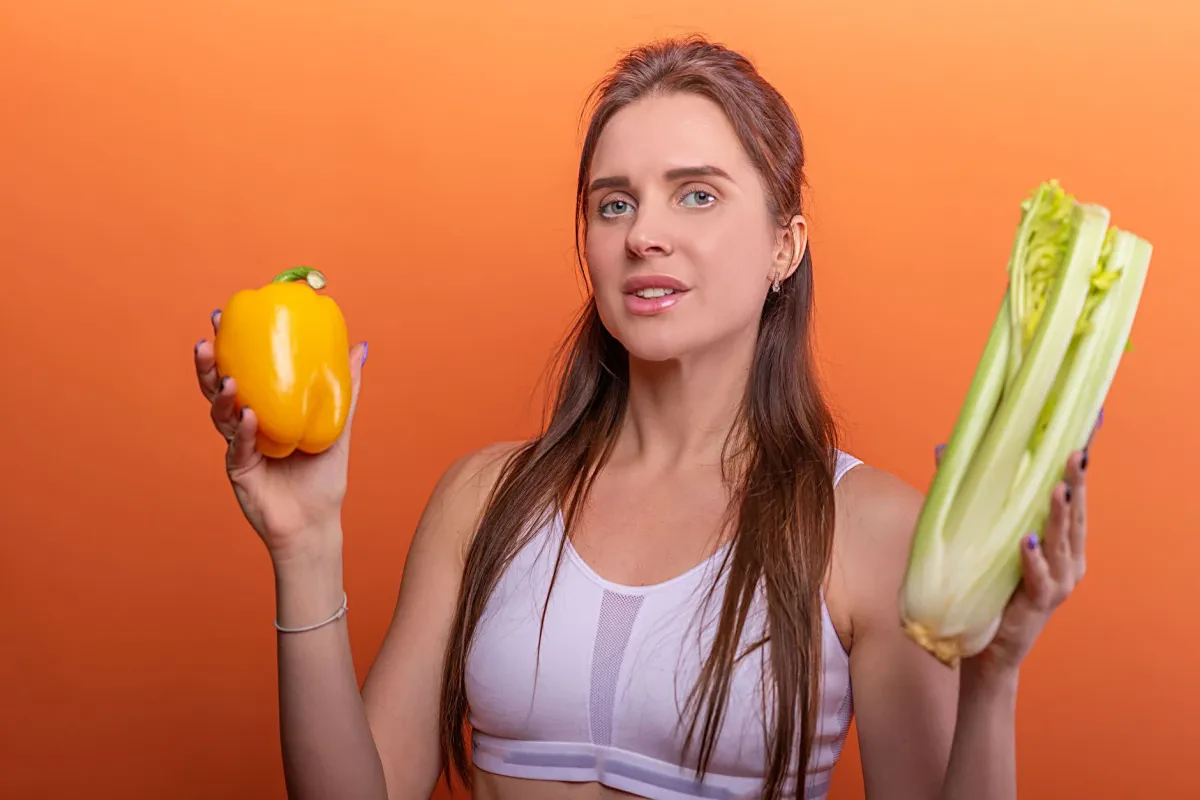
Is a plant-based diet adequate for athletes of all levels? Yes, if well planned. Discover protein requirements, plant-based sources and practical strategies to train at your best — and run for research.
Eating green to run stronger
If you're training for a half marathon, an Ironman or simply to feel better — and you're exploring a plant-based diet — the first question you're probably asking yourself is: will I have enough energy and protein to sustain my training? The answer, backed by decades of scientific research, is yes. As long as you do it right.
The go-to reference in the field, Plant-Based Sports Nutrition by D. Enette Larson-Meyer and Matt Ruscigno (Human Kinetics, 2020), is clear: a plant-based diet is fully adequate for athletes at all levels — from weekend runners to ultra-endurance competitors — provided the nutritional plan is designed with care.
How much protein do you actually need?
Let's start with the numbers, because numbers matter. The general RDA is 0.8 g of protein per kg of body weight per day. But if you train regularly, your requirement rises to 1.2–2.0 g/kg/day. This applies whether you eat meat or follow a vegan or vegetarian diet.
Plant-based athletes may need around 10% more protein than their omnivore counterparts, due to the lower digestibility of plant proteins. But this is no insurmountable obstacle: it's simply a variable to keep in mind when planning your meals.
The optimal distribution is 20–30 g of protein per meal, spread across 3–4 meals a day. An approach that is particularly useful for those over 50 — a demographic that is far from rare among our athletes Strongers.
The best plant-based protein sources
Let's bust a myth here: there's no need to combine "incomplete" proteins within the same meal. Varying your sources throughout the day is enough. Some foods already have a complete amino acid profile on their own:
- Soy and derivatives: tofu, tempeh, edamame — tempeh, for example, provides 31 g of protein per cup
- Quinoa: one of the few grains with a complete amino acid profile
- Seitan: 21 g per 4 oz, great for those without gluten intolerance
- Cooked legumes: 7–8 g per half cup — paired with rice or wholegrain bread, they make a perfect combo
- Nuts and seeds: around 7 g per 2 tablespoons, great as a snack
Total energy: the real critical point
One of the most common mistakes among plant-based athletes isn't a protein deficiency, but a total energy deficiency. Plant-based diets tend to have greater volume and lower caloric density: you feel full sooner, but you're taking in fewer calories than you actually need.
The strategy recommended by the literature is the so-called "grazing" approach: 5–8 meals or snacks spread throughout the day to meet energy needs without having to sit down to enormous meals. Particularly useful in the week before a race or during periods of intense training.
Vegetarians and vegans also show a resting energy expenditure (REE) up to 11% higher than the general population, likely due to higher carbohydrate intake — a finding that further underscores the importance of carefully planning caloric intake.
Deficiencies to watch out for
A well-planned plant-based diet covers the vast majority of nutritional needs. However, there are some areas that require specific attention, especially for athletes:
- Vitamin B12: practically absent in non-fortified plant foods — supplementation or fortified foods are essential
- Iron: present in legumes and wholegrains, but in non-heme form, which is less bioavailable; pairing with vitamin C improves absorption
- Omega-3: flaxseeds, walnuts and chia seeds provide ALA, but conversion to EPA/DHA is limited — an algae-based supplement is often recommended
- Vitamin D and calcium: periodic monitoring with your doctor is the right move
Running plant-based, running for something
We at Strongers Social Club know well that every kilometre covered can become fuel for oncology research. Whether you're preparing for your first 10K or your fifth Ironman, choosing mindful nutrition — plant-based or otherwise — is part of the same commitment: taking care of yourself so you can take care of others.
Build your nutritional plan with data in hand, experiment with plant-based protein sources, and remember: every well-planned meal is one more step towards the finish line — yours and research's.