
Running biomechanics: how to run better (and longer) for a cause
Understanding running biomechanics means reducing injuries, using less energy, and running longer. Here's what the science says — and why it matters twice as much when you run for cancer research.
Every step counts — twice
When you run for Strongers, every kilometre you complete is a concrete contribution to cancer research. But there's a way to make those kilometres safer, more efficient, and longer-lasting: understanding how your body works while running. It's called running biomechanics, and it's not just for elite athletes — it's for anyone who wants to cross the finish line feeling good, today and ten years from now.
The running cycle: what really happens with every step
Every step you take is divided into two phases that repeat continuously:
- Stance phase (foot on the ground, approximately 60% of the cycle): the foot contacts the surface, the leg absorbs the impact and then propels you forward. During this phase, the Achilles tendon stretches like an elastic band, storing energy that will be released in the next push-off.
- Swing phase (foot in the air, approximately 40% of the cycle): the leg swings forward to prepare for the next ground contact.
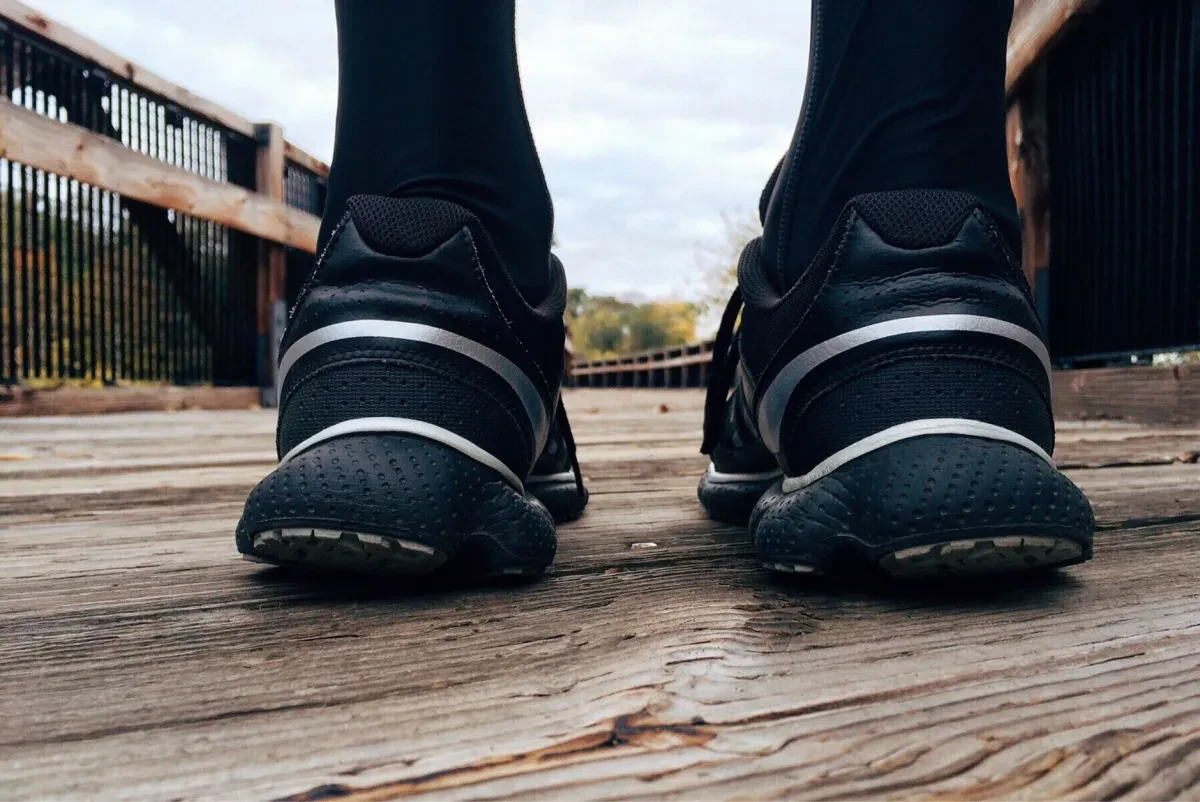
The most critical moment is initial contact: 80–95% of runners land on their heel, while only 5–20% use a midfoot or forefoot strike. There is no universally "correct" answer, but the position of the foot relative to the centre of mass directly influences the direction of the force the ground sends back to the body — the so-called Ground Reaction Force (GRF).
The pitfall of overstriding (and the secret weapon of cadence)
One of the most common — and most costly in terms of injuries — mistakes is overstriding: taking too long a stride and landing with the foot far ahead of the centre of mass. This behaviour amplifies the impact on the knee and increases the risk of chronic injuries.
The most accessible solution? Increasing your cadence, meaning the number of steps per minute. Bringing cadence from 170 to 177–180 steps per minute reduces the load on the knee by 20% — a figure that makes a real difference especially for amateur marathon runners, a category in which 90% of injuries originate from repetitive overload.
How do you do it in practice? Start with short 5–10 minute sessions at a higher cadence, keeping the rest of your training unchanged. The body adapts progressively.
Running economy: running while consuming less oxygen
Running economy measures how many calories (and how much oxygen) you consume to cover a given distance at a certain speed. Improving it means arriving at the final kilometres of a marathon with more resources — both physical and mental.
The factors that influence running economy include:
- Genetics (~50% hereditary)
- Cardiorespiratory fitness level
- Biomechanics: cadence, vertical oscillation, foot strike type
- Body weight, shoes, and clothing
- Environmental conditions (temperature, altitude, wind)
The good news: biomechanical factors are among the most trainable. Reducing vertical oscillation — the unnecessary up-and-down bounce — and optimising step width are concrete adjustments you can start working on in your very next training session.
Proprioception: the sense you didn't know you had
There is an element often overlooked in biomechanics: proprioception, meaning the body's ability to perceive its own position in space. Receptors in the feet continuously send signals to the brain about the quality of movement. When these signals are dampened — for example by shoes with very thick soles — the brain does not receive the feedback it needs to automatically correct inefficient or potentially harmful movement patterns.
This doesn't mean running barefoot, but paying attention to how your shoes interact with the ground and, where possible, incorporating balance and proprioception exercises into your routine.
Running better also means running longer — for research
For Strongers, every runner who stays healthy is a runner who can keep fundraising for cancer research. It's not about becoming a professional athlete: it's about building a sustainable movement, made up of people who run year after year, marathon after marathon, with a body that responds well because it has been treated well.
Start with a small adjustment — cadence, posture, awareness of your foot strike — and you'll find that every step becomes more efficient. And every efficient step is one more step towards the finish line that truly matters.