
Sport and cancer prevention: what science says and why Strongers believes in it
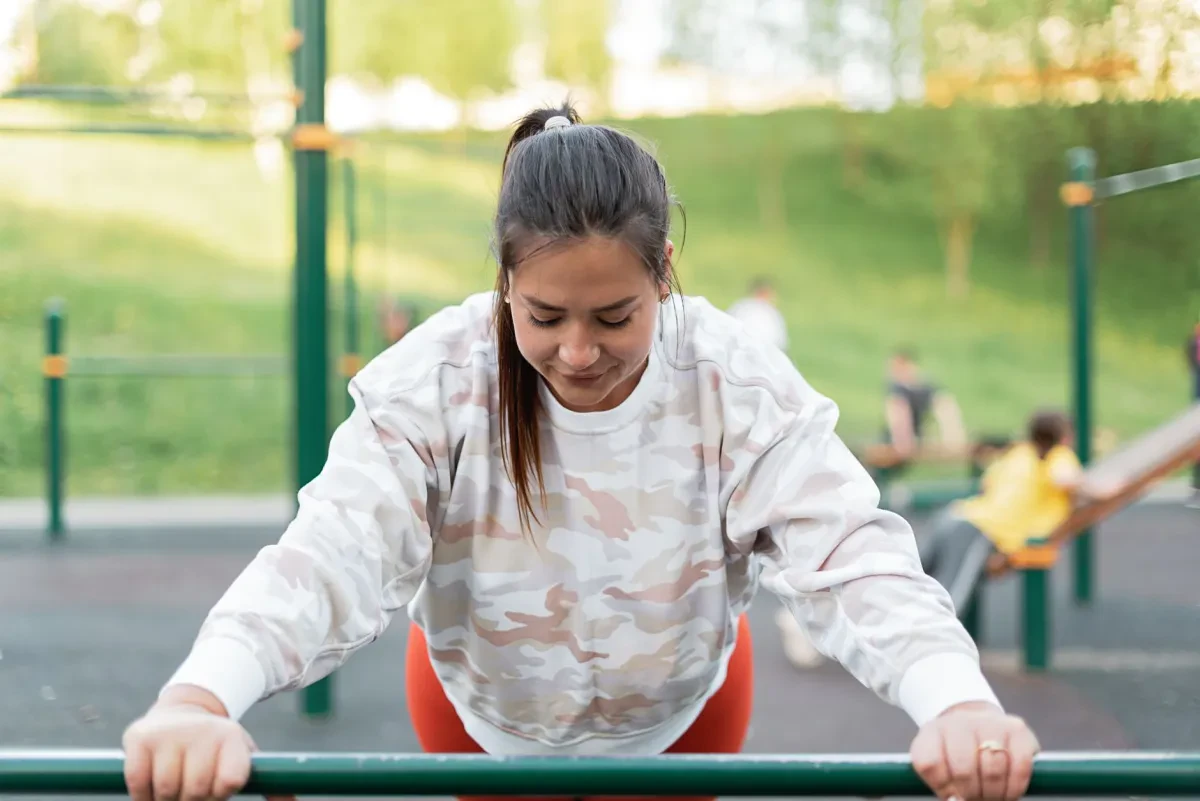
Physical exercise reduces oncological risk through precise biological mechanisms: weight control, insulin sensitivity, inflammation, immunity. Here's what science says and why Strongers has built its three pillars on this foundation.
It's not magic: it's biology
When we say that sport can help prevent cancer, we are not making empty promises or trying to sell a dream. We are talking about an empirical dose-response relationship — documented, measurable, and increasingly central to modern oncology. Scientific research has made one fundamental point clear: structured physical exercise is not a universal cure for cancer, but there is solid evidence that it reduces the risk of diagnosis, modifies the tumour microenvironment during therapy, and improves patients' quality of life and survival.
It is precisely on this scientific foundation that Strongers Social Club has built its three pillars: Prevention, Research and Community.
What happens in the body when you train
The biological mechanisms linking exercise and cancer prevention are multiple and well documented. Here they are in summary:
- Weight and adipose tissue control: obesity is an independent risk factor for at least 13 types of cancer — including breast, endometrial, liver, ovarian and pancreatic cancer. Physical exercise, combined with a balanced diet, reduces adipose tissue and BMI, directly lowering this risk component.
- Insulin sensitivity: insulin resistance promotes cell proliferation and represents a pro-cancer factor. Resistance training increases insulin sensitivity, counteracting this mechanism.
- Chronic inflammation: inflammatory markers such as IL-6, TNF-α and CRP are associated with a higher oncological risk. Regular physical exercise acts by blocking TNF-α and boosting anti-inflammatory cytokines, reducing the state of chronic inflammation.
- NK cell activation: Natural Killer cells of the immune system are among the first lines of defence against tumour proliferation. Physical activity stimulates their activation, strengthening the immune response.
- Reduction of tumour angiogenesis: tumours need to form new blood vessels in order to grow. Exercise appears to interfere with this process, reducing the vascular support of tumour tissue.
Beyond prevention: sport as an ally during and after therapy
The role of exercise does not end before diagnosis. Science tells us that structured physical activity is a valid adjuvant support also during oncological treatment and in the survivorship phase:
- It reduces cancer-related fatigue, one of the most debilitating symptoms for those undergoing chemotherapy or radiotherapy.
- It counteracts cachexia — the progressive loss of muscle mass typical of advanced cancer patients.
- It improves perceived quality of life (HRQOL) and reduces symptoms of depression and anxiety.
- It promotes social reintegration through shared sporting practice.
As the reference scientific literature summarises: "Sport and training appear to be a suitable adjuvant therapy for reducing the risk of cancer, as they positively influence the hormonal, metabolic and inflammatory situation."
Why Strongers believes in it — and works on it
This is not science confined to laboratories: it is the concrete reason why every runner who wears the Strongers jersey, every athlete who raises funds in a marathon, every community member who trains together is doing something doubly worthwhile. They take care of themselves — reducing their personal risk through exercise — and at the same time fund oncological research that studies these very mechanisms.
Sport is our language, but science is our foundation. And in Strongers, the two are never separate.
Want to find out how to get involved? Explore the upcoming Strongers events and discover how your training can become a concrete act of prevention and solidarity.