Training, nutrition and physical activity, and what the science says.
 Sport and health
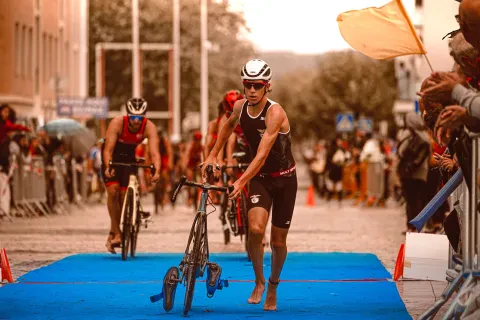
Training for Triathlon: Method, Multisport and a Charitable Mission
Triathlon is not the sum of three sports: it's an integrated architecture of swimming, cycling and running. Discover the...
Read more
 Sport and health
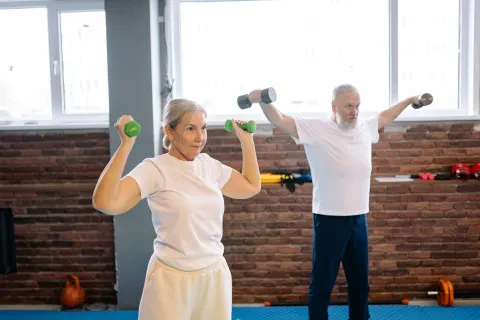
Stronger bones, longer life: what science says about exercise and bone density
Bone density is not a written destiny: exercise is the mechanical stimulus that tells bone to stay strong. Here is what...
Read more
 Sport and health
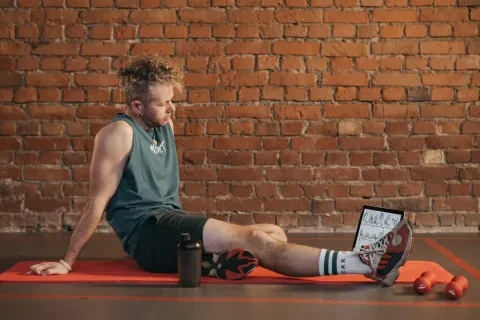
Supercompensation: the biological mechanism that turns effort into progress
Supercompensation is the physiological mechanism by which the body, after a training stimulus and adequate recovery, sur...
Read more
 Sport and health
Exercising during chemotherapy: what research says about physical activity
Complete rest during chemotherapy? International guidelines say that, for many people, adapted physical activity helps m...
Read more
 Sport and health
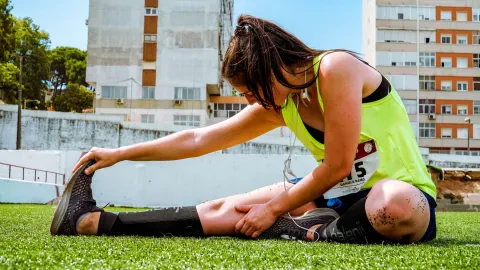
Patellar Tendinopathy: How to Prevent and Manage It as a Charity Athlete
That sharp, pinpoint pain just below the kneecap during jumps and landings is called patellar tendinopathy. Learn how to...
Read more
 Sport and health
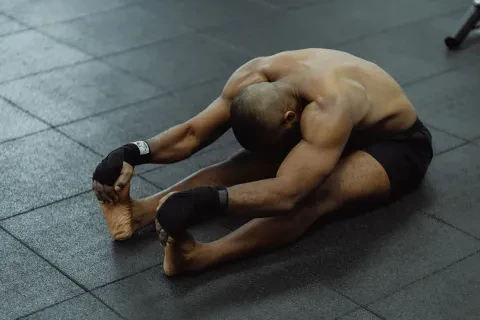
Running without stopping: how to prevent running injuries and stay in the race for a greater cause
Around 50% of amateur runners get injured every year. For those running with Strongers for cancer research, staying in t...
Read more
 Sport and health
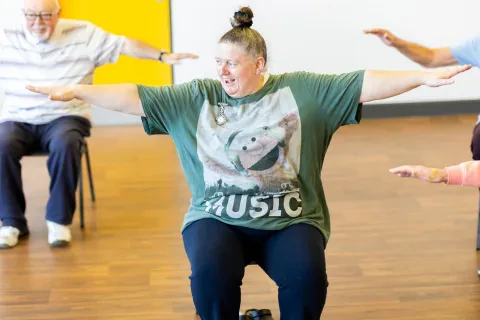
The Three Systems of Balance: Physiology, Prevention, and Active Longevity
Vestibular, visual, proprioceptive: these are the three sensory systems that govern your balance. Here's how they work,...
Read more
 Sport and health
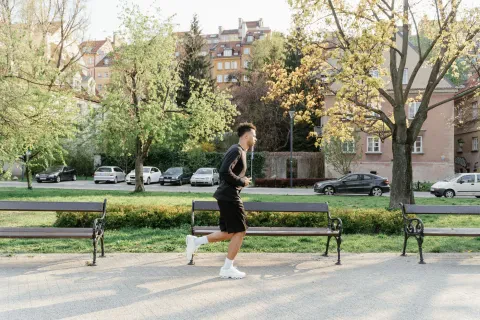
How much exercise is enough? The dose-response relationship between physical activity and cancer
How much physical activity is associated with a lower cancer risk? Studies involving hundreds of thousands of adults poi...
Read more
 Sport and health
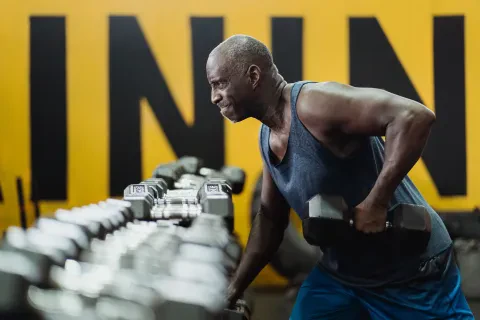
How the body changes with strength training: a guide to neuromuscular adaptations
In the first 6 weeks, the body gets stronger thanks to the nervous system — not the muscles. Discover how neuromuscular...
Read more
 Sport and health
Dual-Task Training: when the brain and body train together (and why it matters after 50)
Dual-task training works the brain and body at the same time: find out why, after the age of 50, it's one of the most ef...
Read more
 Sport and health
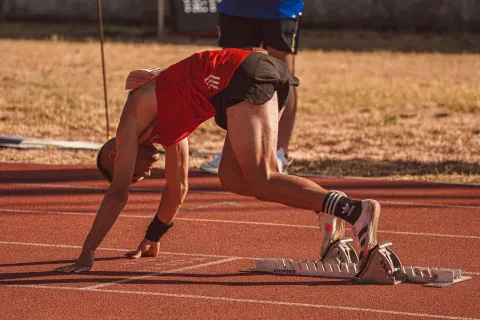
Peaking and Tapering: How to Arrive at Race Day in Peak Condition
Peaking and tapering aren't concepts reserved for elites — they're the key to arriving at race day at your very best. He...
Read more
 Sport and health
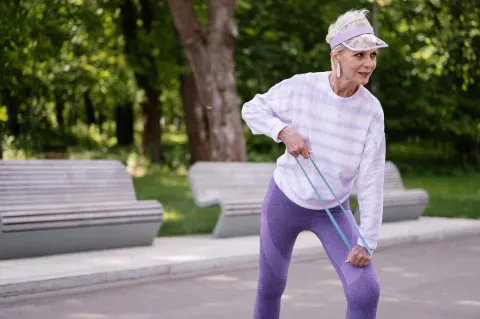
Moving with method after 50: the scientific guide to safe and effective exercise
Just "moving around a little" isn't enough. After 50, exercise truly works only when it's prescribed with method. Here's...
Read more
 Sport and health
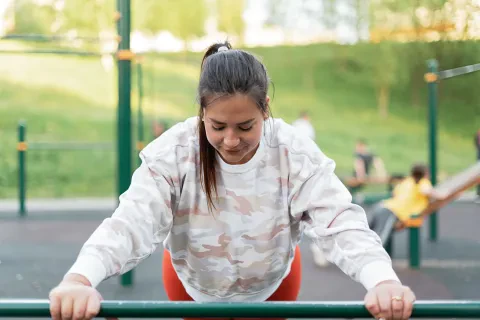
Sport and cancer prevention: what science says and why Strongers believes in it
Physical exercise reduces oncological risk through precise biological mechanisms: weight control, insulin sensitivity, i...
Read more
 Sport and health
Plant-based nutrition for athletes: how to eat well and run for research
Is a plant-based diet adequate for athletes of all levels? Yes, if well planned. Discover protein requirements, plant-ba...
Read more
 Sport and health
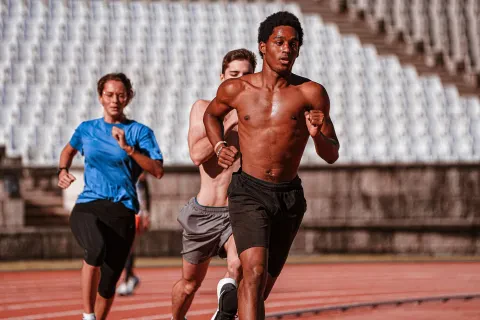
Heart, lungs, and research: why cardiorespiratory fitness is the key biomarker in the fight against cancer
Cardiorespiratory fitness, measured as VO2max, is one of the most reliable functional biomarkers for health. Discover wh...
Read more
 Sport and health
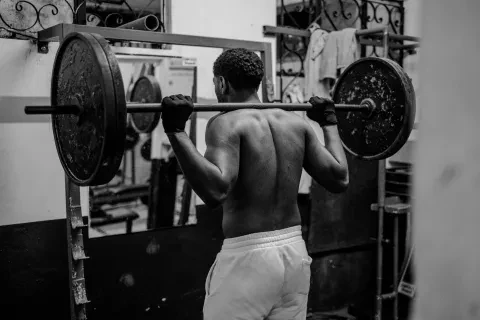
How to Pair Muscle Groups to Maximize Hypertrophy
*Frequency, volume, and the logic behind pairings: what the scientific literature says and how to apply it in the gym.*
Read more